
Year-Round Garden Design: A Seasonal Planning Guide
Master year-round garden design with this seasonal planning guide covering bloom succession, structure, and beauty for every month of the year.
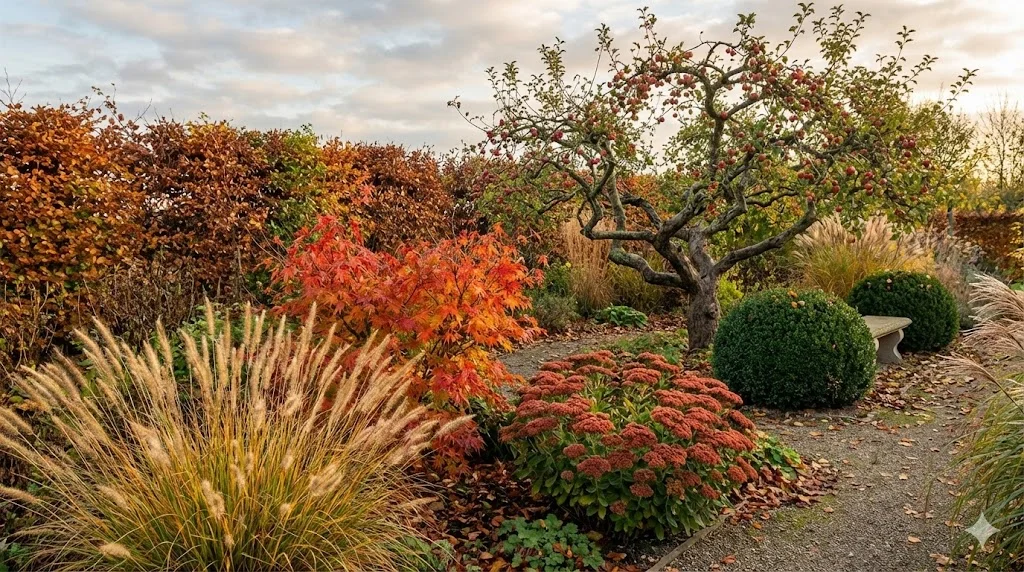
Year-Round Garden Design: A Seasonal Planning Guide
A truly great garden never sleeps. While many gardeners focus on the exuberant blooms of summer, the most thoughtfully designed gardens offer something captivating in every season — from the delicate snowdrops pushing through January frost to the fiery foliage of October maples and the sculptural silhouettes of bare winter branches against a grey sky. Year-round garden design is the art of orchestrating these moments so your outdoor space remains alive, interesting, and beautiful no matter what the calendar says.
This seasonal planning guide will walk you through the principles, plants, and design strategies that keep a garden compelling through spring, summer, autumn, and winter. Whether you are starting from scratch or looking to fill the gaps in an existing garden, you will find practical advice for creating continuous interest throughout the year.
Why Year-Round Design Matters
Most gardens have a "peak week" — that glorious moment when everything seems to bloom at once. But what about the other fifty-one weeks? A garden designed only for summer can feel barren in winter, untidy in autumn, and slow to start in spring. Year-round design addresses this by treating every season as a design opportunity rather than a dormant period.
The benefits go beyond aesthetics. A four-season garden supports wildlife through the entire year, providing food and shelter when it matters most. It also increases the value and usability of your outdoor space. When your garden looks beautiful in December, you are far more likely to enjoy it from a window or take a walk through it on a crisp afternoon.
"The garden should be an extension of your living space, not something you close the curtains on for half the year."
Year-round design also encourages more sustainable gardening practices. By choosing plants adapted to each season and your local climate, you reduce the need for intensive maintenance, supplemental watering, and replanting.
The Four Pillars of Seasonal Interest
Every season offers its own palette of design elements. Understanding what each season contributes helps you plan a garden with no dead periods.
Spring: Renewal and Color
Spring is the season of anticipation. The garden wakes up with bulbs, blossom, and fresh foliage. Key design elements include:
- Bulbs: Crocuses, daffodils, tulips, and alliums provide early color before perennials emerge. Layered bulb planting ensures weeks of bloom. For detailed guidance, see our post on best spring bulbs for garden design impact.
- Blossom trees: Cherries, magnolias, and crabapples create canopy-level interest.
- Fresh foliage: The lime-green unfurling of hostas, ferns, and deciduous grasses signals the season's start.
- Structural perennials: Early risers like euphorbias and hellebores bridge the gap between winter and spring.
Read more in our dedicated guide to spring garden planning.
Summer: Abundance and Outdoor Living
Summer is when the garden is at its most generous. Borders are full, fragrance fills the air, and outdoor living becomes central.
- Perennial borders: Roses, delphiniums, lavender, salvias, and geraniums form the backbone of summer colour.
- Shade and structure: Pergolas, arbours, and shade trees become essential as temperatures rise.
- Outdoor rooms: Seating areas, dining spaces, and water features come into their own.
- Succession planting: Deadheading and successive sowings keep annual displays going.
Dive deeper in our guide to summer garden design.
Autumn: Warmth and Transition
Autumn is arguably the most dramatic season in the garden. The shift from green to gold, amber, and crimson creates a spectacle that rivals any summer border.
- Foliage colour: Japanese maples, liquidambars, amelanchiers, and Virginia creeper provide fiery hues.
- Late-flowering perennials: Asters, rudbeckias, sedums, and dahlias extend the blooming season.
- Ornamental grasses: Miscanthus, Calamagrostis, and Panicum catch the low autumn light beautifully.
- Fruit and berries: Crabapples, rosehips, and hawthorn berries add colour and feed wildlife.
Explore our guides on designing for autumn colour and bridging the late summer gap.
Winter: Structure and Surprise
Winter reveals the bones of a garden. Without foliage to hide behind, the design itself must carry the space.
- Evergreen structure: Yew, box, holly, and pine provide permanent green architecture.
- Bark and stems: Betula (birch), Cornus (dogwood), and Prunus serrula offer stunning bark colour.
- Winter flowers: Witch hazel, winter jasmine, snowdrops, and hellebores bloom when little else does.
- Frost and snow: Seed heads left standing catch frost and snow, creating ethereal winter scenes.
Discover more in our posts on winter garden interest and best plants for winter colour and berries.
Building a Bloom Succession Calendar
The key to continuous colour is bloom succession — ensuring that as one group of plants finishes flowering, the next begins. Here is a simplified bloom calendar to guide your planning:
January–February: Snowdrops, winter aconites, witch hazel, hellebores, Cyclamen coum, winter jasmine.
March–April: Crocuses, daffodils, early tulips, magnolias, forsythia, primroses, pulmonarias.
May–June: Late tulips, alliums, irises, peonies, roses (first flush), aquilegias, geraniums.
July–August: Lavender, delphiniums, echinaceas, agapanthus, hydrangeas, crocosmia, lilies.
September–October: Asters, dahlias, sedums, rudbeckias, Japanese anemones, ornamental grasses.
November–December: Chrysanthemums (late), Cyclamen hederifolium, berries, coloured bark, evergreen foliage.
This is a starting point. Your local climate zone, soil type, and aspect will influence timing. The goal is to have at least three to five plants providing interest in any given month. When you visualise your planting plan digitally, you can map out bloom periods and identify gaps before committing plants to the ground.
Designing the Evergreen Framework
Evergreen plants are the backbone of year-round design. They provide structure, privacy, and colour when deciduous plants are bare. A good rule of thumb is that evergreens should make up roughly one-third of your planting.
Structural evergreens include yew, box, holly, and laurel. These can be used for hedging, topiary, or as specimen plants to anchor a border.
Textural evergreens like ferns (Polystichum, Dryopteris), grasses (Carex, Luzula), and ground covers (Pachysandra, Vinca) fill in at lower levels.
Flowering evergreens such as Mahonia, Sarcococca, and Viburnum tinus provide both structure and seasonal bloom.
Place evergreens at focal points, corners, and transitions between garden rooms. They serve as anchors that give the eye something to rest on even in the depths of winter.
Planning for Seasonal Transitions
The most challenging periods in any garden are the transitions — the gaps between seasons when one group of plants fades and the next has not yet begun. Three common trouble spots are:
- The "May gap": After spring bulbs fade but before summer perennials hit their stride. Fill with late tulips, alliums, aquilegias, and early geraniums.
- The "August slump": Midsummer heat causes many early-summer perennials to flag. Bridge with echinaceas, rudbeckias, grasses, and late-sown annuals.
- The "November void": After autumn colour drops but before winter interest takes over. Plant Cyclamen hederifolium, late-colouring grasses, and ensure plenty of berry-bearing shrubs.
Our detailed month-by-month garden design calendar helps you plan for each of these transitions systematically.
The Role of Hardscape in Year-Round Design
Plants are only part of the equation. Hardscape — paths, walls, fences, water features, and structures — provides a permanent framework that looks good in every season.
- Paths and paving: Well-designed paths invite exploration year-round. Consider materials that look beautiful wet or frosted.
- Walls and raised beds: Stone, brick, or timber structures add texture and warmth even when bare.
- Water features: A still reflecting pool or a gently trickling fountain adds interest in winter when much else is dormant.
- Garden buildings: Summerhouses, sheds, and greenhouses serve as visual anchors and practical retreats.
- Lighting: Outdoor lighting extends the enjoyment of your garden into dark winter evenings, highlighting bark, evergreens, and structural elements.
How to Plan a Four-Season Garden Step by Step
For a comprehensive walkthrough, see our guide on how to plan a four-season garden. Here is a quick overview of the process:
- Audit your current garden: Walk through your garden once a month for a full year and note what provides interest and what feels empty.
- Identify gaps: Mark the months where colour, texture, or structure is lacking.
- Choose anchor plants: Select evergreens and structural plants first — these form the permanent framework.
- Layer in seasonal performers: Add plants that shine in each season, prioritising the months where your garden currently lacks interest.
- Plan for succession: Ensure that every area has at least two seasons of interest from different plants.
- Consider foliage as much as flowers: Foliage lasts far longer than flowers. Choose plants with interesting leaf colour, shape, or texture.
- Test your plan: Use a digital garden planning tool to experiment with layouts and bloom timings before you plant.
Staying Current: Garden Trends for 2026
Garden design evolves each year, and 2026 brings exciting developments in sustainable planting, naturalistic design, and technology integration. Our annual garden trends 2026 round-up covers the latest styles, materials, and approaches shaping gardens this year.
Seasonal Maintenance That Supports Design
Good design reduces maintenance, but every garden needs seasonal care to look its best. Here is a brief seasonal maintenance framework:
Spring: Clear debris, divide perennials, mulch borders, plant summer-flowering bulbs, start feeding.
Summer: Deadhead regularly, water deeply during dry spells, stake tall perennials, trim hedges.
Autumn: Plant spring bulbs, move or divide perennials, clear fallen leaves from lawns (but leave some in borders for wildlife), apply autumn feed. For a complete walkthrough of autumn tasks and planning ahead, see our guide on fall garden preparation and planning for next year.
Winter: Prune deciduous trees and shrubs, plan next year's changes, clean tools, protect tender plants from frost.
For a complete month-by-month breakdown, see our garden design calendar.
Getting Started with Your Year-Round Garden
Creating a garden that looks beautiful in every season does not happen overnight, but it does not have to happen all at once either. Start with these three actions:
- Commit to an evergreen framework. Even adding two or three well-placed evergreen shrubs dramatically improves winter interest.
- Plant bulbs this autumn. Bulbs are the easiest way to add spring interest to any garden, and they require almost no space.
- Leave seed heads standing. Instead of cutting everything back in autumn, leave ornamental grasses and seed heads for winter structure and wildlife habitat.
"A garden designed for every season is a garden that gives back every day of the year."
The guides linked throughout this article dive deeper into each season and each design challenge. Whether you are working with a small urban plot or a large country garden, the principles of year-round design apply. Start where you are, improve one season at a time, and within a few years, you will have a garden that never stops giving.
Garden Design Team
Expert garden designers sharing tips, inspiration, and practical advice for creating beautiful outdoor spaces.
Explore professional garden design
Gardenly3D is a paid professional garden-design application. See plans for included capabilities and availability.
Join the waitlistRelated articles
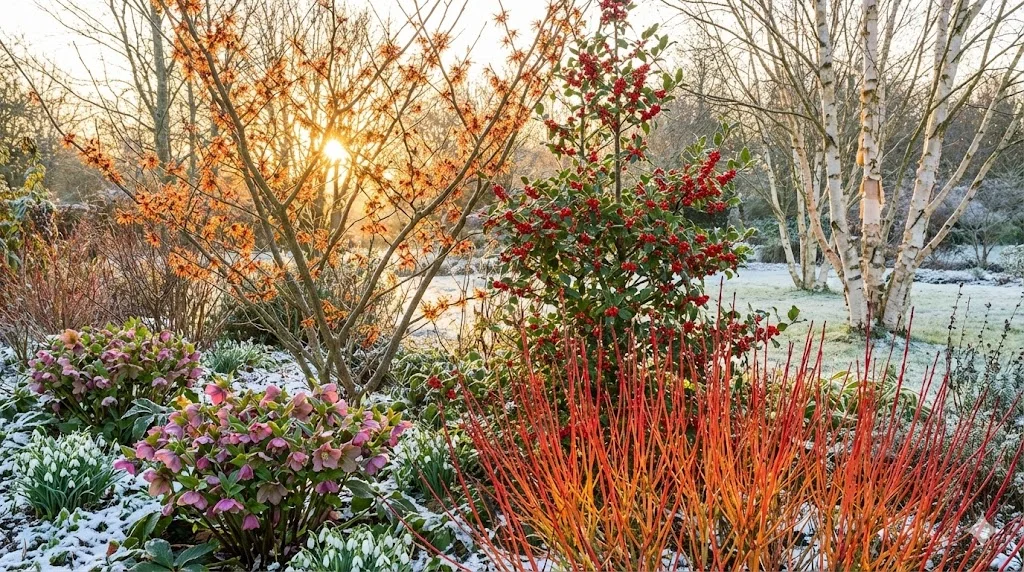
Best Plants for Winter Color and Berries
Discover the best plants for winter color and berries, including winterberry holly, dogwood stems, witch hazel, snowdrops, hellebores, and ornamental bark.
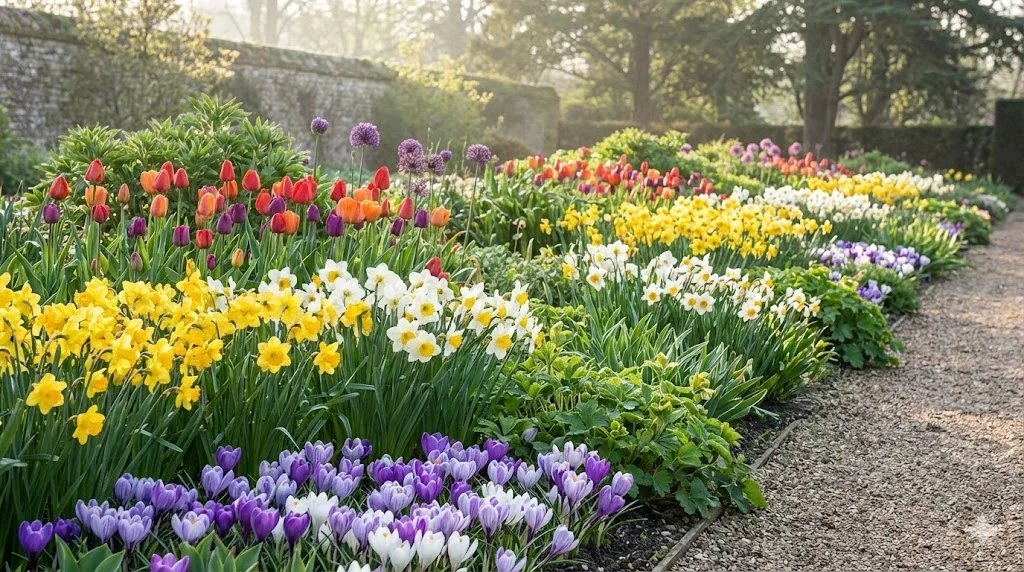
Best Spring Bulbs for Garden Design Impact
Discover the best spring bulbs for garden design impact, from tulips and alliums to layered bulb planting techniques for weeks of spectacular colour.
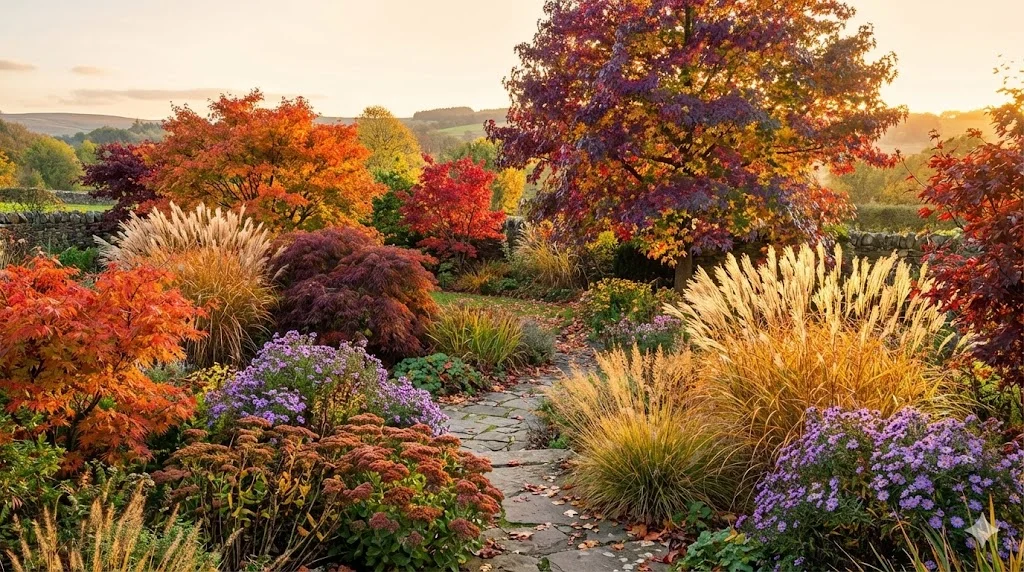
Designing for Autumn Color: Trees, Shrubs, and Perennials
Design for spectacular autumn color with the best trees, shrubs, and perennials for fall foliage including Japanese maples, ornamental grasses, and warm palettes.