
Fall Garden Preparation: Design and Planning for Next Year
Prepare your fall garden with expert advice on autumn planting, bulb installation, design evaluation, soil amendment, and planning for next year.
Fall Garden Preparation: Design and Planning for Next Year
Autumn is the most strategically important season in a gardener's year. While spring gets the glory and summer gets the compliments, fall is when the real work of great garden design happens. The decisions you make between September and November — which bulbs to plant, which borders to restructure, which soil to amend — determine how your garden will perform for the next twelve months and beyond.
Fall garden preparation is not just about tidying up after summer. It is about evaluating your design with honest eyes, making changes while the soil is still warm, and setting the stage for a spring that takes your breath away. This guide walks you through every aspect of autumn garden planning, from soil care to design evaluation to strategic planting.
Evaluating Your Garden Design in Autumn
Autumn is the perfect time to step back and assess your garden honestly. The fading of summer's exuberance reveals what is really working and what is not.
The Autumn Walk-Through
Set aside an afternoon in early October to walk through your garden slowly with a notebook. For each area, ask:
- What looked good this summer, and what looked tired or overcrowded?
- Where were the gaps — periods of no colour, areas of bare soil?
- Which plants underperformed or needed constant attention?
- Is the balance of structure and softness right?
- Do the paths, focal points, and sight lines still work?
"Autumn is the gardener's audit season. The garden tells you exactly where it needs help — if you are willing to listen."
Recording Your Observations
Take photographs of every area from consistent angles. Compare them with photos from spring and summer. This visual record is invaluable for identifying seasonal gaps and planning improvements. When you map out your garden design digitally, you can annotate areas that need attention and experiment with changes before committing to them.
Autumn Planting: The Golden Window
Many gardeners think spring is the primary planting season, but autumn is actually better for many plants. The soil is still warm from summer, rainfall is usually more reliable, and plants have months to establish root systems before the demands of spring growth.
What to Plant in Autumn
Trees and shrubs: October and November are ideal for planting bare-root and container-grown trees and shrubs. They establish faster than spring-planted specimens because roots can grow in warm soil while the top growth is dormant.
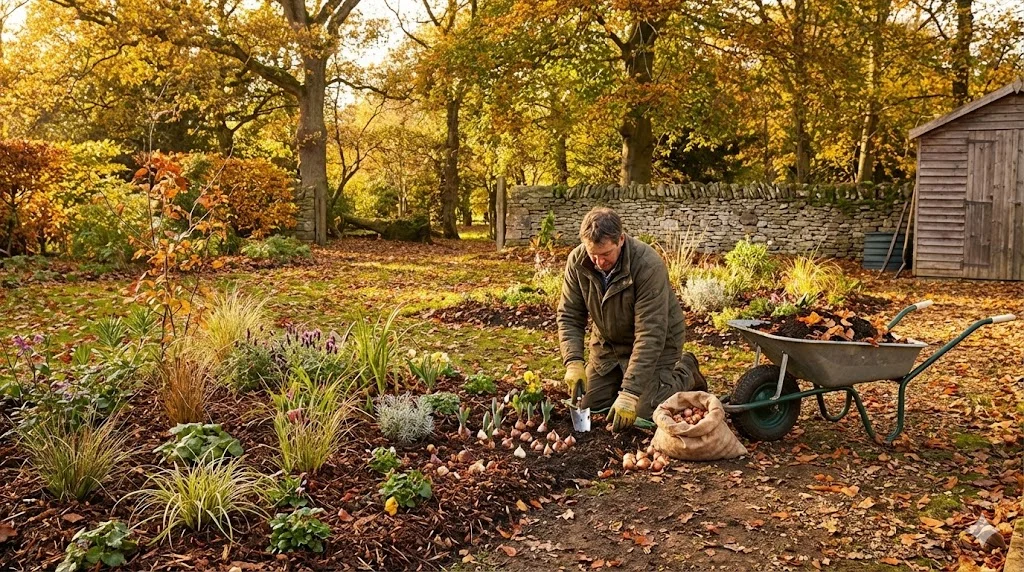
Spring-flowering bulbs: This is the single most impactful autumn planting task. The bulbs you plant now — tulips, daffodils, alliums, crocuses — will provide the first colour in your garden next spring.
Perennials: Hardy perennials planted in early autumn establish well before winter. This is also a good time to divide large clumps and replant the divisions to fill gaps elsewhere.
Biennials: Plant wallflowers, foxgloves, and sweet Williams now for flowers next spring and summer.
Garlic and overwintering onions: If you grow edibles, autumn is the time to plant garlic sets and overwintering onion varieties.
Bulb Planting for Maximum Impact
Bulbs are one of the strongest ways to secure spring colour. The key to a natural, impactful display is planting generously and in layers.
- Plant in drifts, not lines. Scatter bulbs by hand and plant them where they fall for a natural effect.
- Layer different bulb types. Plant large bulbs (tulips, daffodils) deep, medium bulbs (alliums) at middle depth, and small bulbs (crocuses, muscari) near the surface. This gives you weeks of successive bloom from the same area.
- Mix with perennials. Plant bulbs among emerging perennials so the perennial foliage hides the bulb leaves as they die back.
For comprehensive guidance, see our post on best spring bulbs for garden design impact.
Soil Amendment and Care
Autumn is the most effective time to improve your soil. Amendments added now have all winter to break down and integrate, ready to feed spring growth.
Composting and Mulching
- Spread compost. Apply a 5–10 cm layer of well-rotted garden compost, manure, or leaf mould over bare borders. Leave it on the surface — worms will incorporate it over winter.
- Make leaf mould. Collect fallen leaves and store them in wire bins or black bags with holes. In twelve to eighteen months, they become the finest soil conditioner available — free.
- Mulch tender plants. A thick mulch of straw, bark, or compost around the base of borderline-hardy plants provides frost protection.
Soil Testing
Autumn soil testing gives you time to act on the results before spring planting begins. Test for pH and nutrient levels. If your soil is too acidic, add lime now — it needs months to take effect. If too alkaline, incorporate sulphur or ericaceous compost.
Drainage Issues
If areas of your garden waterlogged during last winter, autumn is the time to address drainage. Options include:
- Incorporating grit and organic matter to improve clay soil structure
- Installing drainage channels or a French drain
- Creating raised beds in persistently wet areas
- Planting moisture-loving species that thrive in wet conditions
Restructuring and Moving Plants
Autumn is the safest time to move most perennials, shrubs, and small trees. The combination of warm soil and reduced top growth means plants can focus on re-establishing roots.
When to Move Plants
- Perennials: Move in September or October while the soil is still warm.
- Deciduous shrubs and trees: Move after leaf fall in November.
- Evergreens: Move in September or April — avoid mid-winter.
Dividing Perennials
Many perennials benefit from division every three to five years. This reinvigorates the plant, increases your stock, and is one of the best ways to fill gaps in borders without spending money.
Good candidates for autumn division include:
- Hostas
- Daylilies (Hemerocallis)
- Geraniums
- Asters
- Heleniums
- Grasses (spring division is better for tender grasses)
The Autumn Cleanup: Less is More
Modern garden design embraces a less aggressive approach to autumn cleanup. Leaving seed heads, grasses, and dried flower stems standing through winter provides:
- Wildlife habitat: Hollow stems shelter overwintering insects. Seed heads feed birds.
- Winter interest: Frosted seed heads and dried grasses catch winter light beautifully.
- Soil protection: Standing plant material protects soil from heavy rain erosion.
What to Cut Back
- Remove diseased foliage (to prevent reinfection next year)
- Cut back perennials that collapse into a soggy mess (hostas, delphiniums)
- Clear annual bedding that has finished
What to Leave Standing
- Ornamental grasses (all types)
- Sedums, echinaceas, and rudbeckias (attractive seed heads)
- Teasels and eryngiums (architectural in frost)
- Any plant that feeds birds with its seeds
"The best autumn gardens are not the tidiest — they are the ones that know what to leave alone."
Planning for Next Year
Autumn is when next year's garden takes shape on paper — or screen. Use the observations from your walk-through, the gaps you identified, and the lessons from this year to plan improvements.
Design Questions to Address
- Colour: Do you want to adjust your colour scheme? Autumn is when to plan purchases and planting positions.
- Structure: Do you need more evergreens, more height, or better winter interest? Decide now and plant this autumn.
- Flow: Do paths need redirecting? Does the garden need better transitions between areas?
- Functionality: Do you need more storage, a better compost area, or improved access?
Creating a Planting Plan
A planting plan does not need to be complicated, but it should map out what goes where with attention to height, spread, bloom time, and colour. When you design your planting layout visually, you can see how different combinations work before spending a penny.
Preparing the Garden for Winter
As autumn deepens, a few practical tasks protect your garden through the cold months ahead:
- Protect tender plants. Wrap tree ferns, move tender pots under cover, and mulch the crowns of borderline-hardy perennials.
- Clean and store tools. Well-maintained tools last longer and make spring work easier.
- Drain and store hoses. Frozen water in hoses and outdoor taps can cause damage.
- Service your mower. A clean, sharpened mower is ready to go when spring arrives.
- Check supports and structures. Repair fences, trellises, and arches before winter storms.
Getting Started with Fall Preparation
Autumn garden preparation rewards the gardener who plans. Here are three things to do this week:
- Plant one hundred bulbs. It sounds like a lot, but a hundred daffodils or crocuses planted in a single drift will create a spectacular spring moment. The investment is modest and the return is extraordinary.
- Spread compost on one border. Even improving one bed each year makes a cumulative difference that transforms your garden over time.
- Take an honest walk. Evaluate one section of your garden with fresh eyes and make three changes — move a plant, remove something that is not working, or earmark a spot for a new tree.
The work you do this autumn will be invisible by December, buried under mulch and dormant soil. But when spring arrives and your garden bursts into life with colour, structure, and vitality, you will know exactly where that magic came from — your autumn planning.
For the complete seasonal picture, visit our year-round garden design guide.
Garden Design Team
Expert garden designers sharing tips, inspiration, and practical advice for creating beautiful outdoor spaces.
Explore professional garden design
Gardenly3D is a paid professional garden-design application. See plans for included capabilities and availability.
Join the waitlistRelated articles
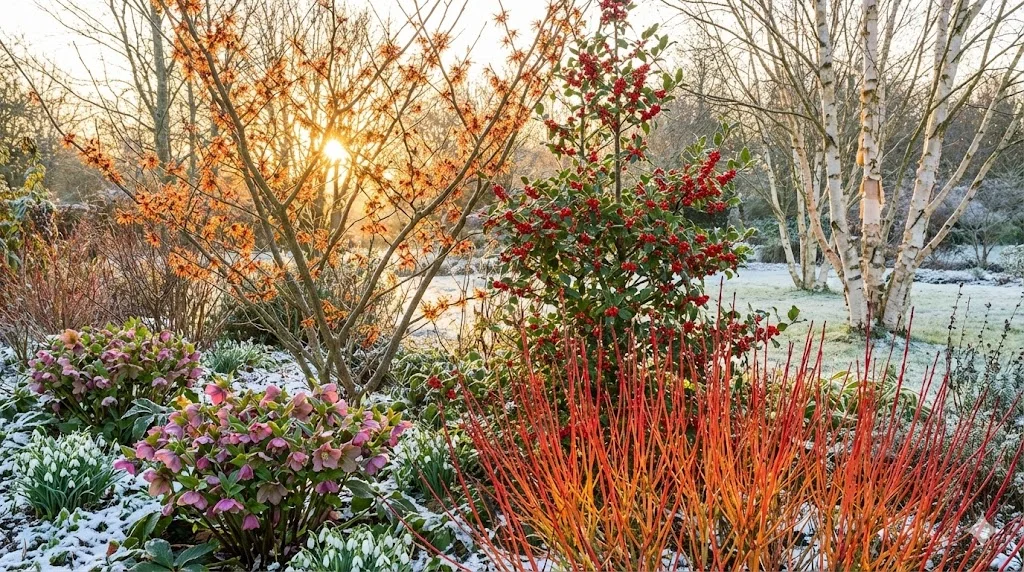
Best Plants for Winter Color and Berries
Discover the best plants for winter color and berries, including winterberry holly, dogwood stems, witch hazel, snowdrops, hellebores, and ornamental bark.
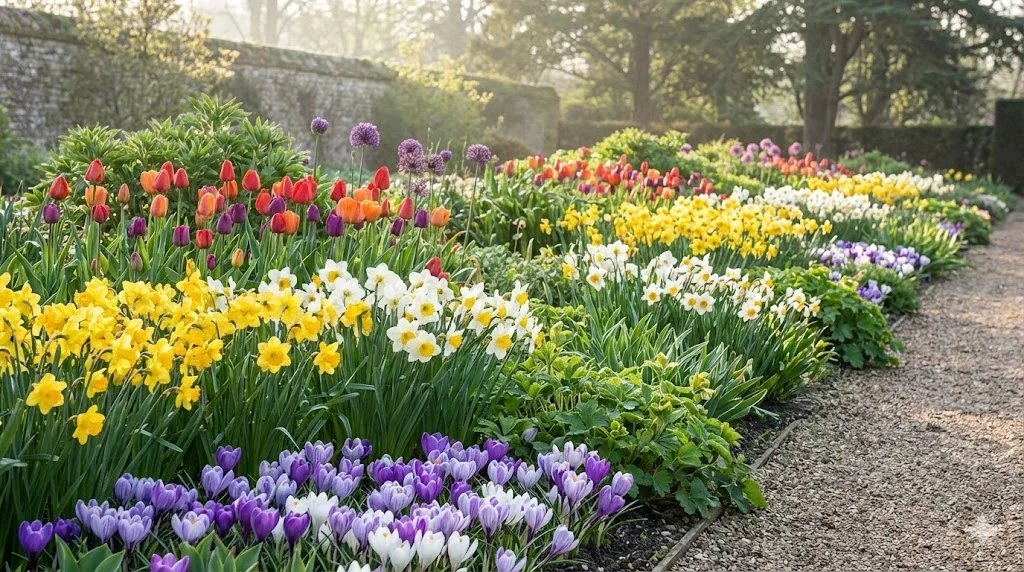
Best Spring Bulbs for Garden Design Impact
Discover the best spring bulbs for garden design impact, from tulips and alliums to layered bulb planting techniques for weeks of spectacular colour.
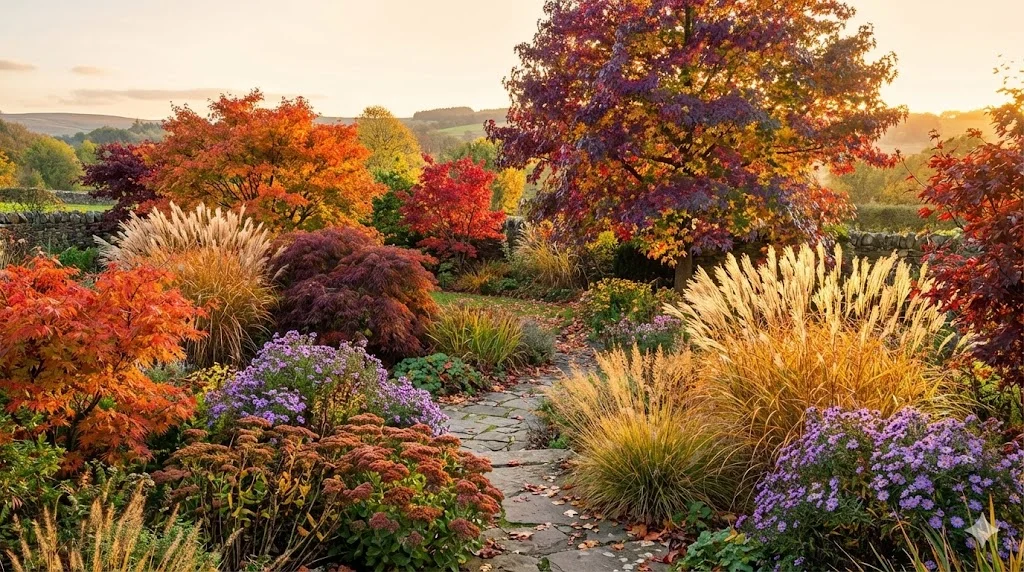
Designing for Autumn Color: Trees, Shrubs, and Perennials
Design for spectacular autumn color with the best trees, shrubs, and perennials for fall foliage including Japanese maples, ornamental grasses, and warm palettes.