
Rustic Garden Design: Natural Materials and Relaxed Charm
Create a rustic garden with reclaimed materials, natural stone, and relaxed planting. A guide to designing gardens with authentic character and charm.
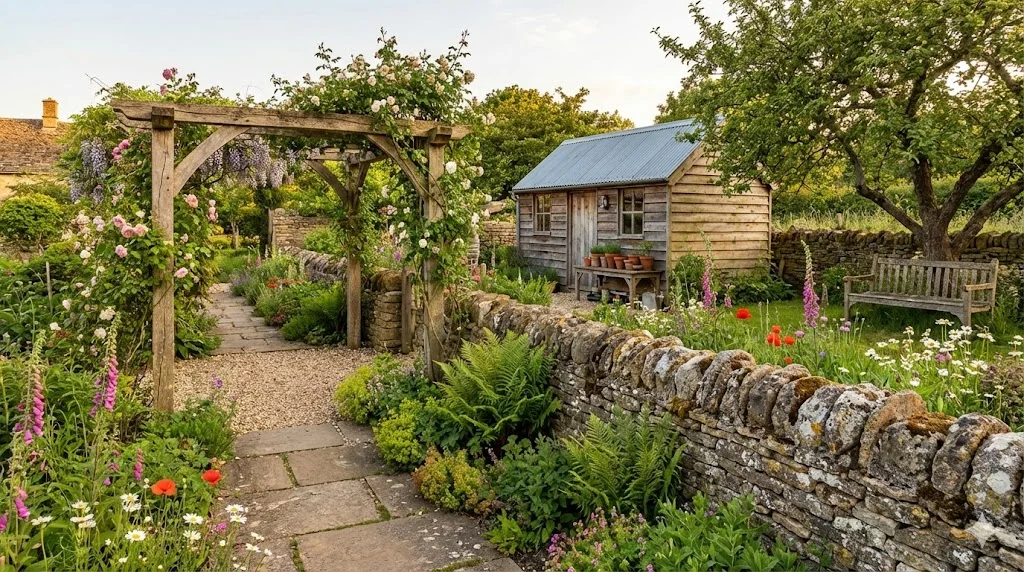
Rustic Garden Design: Natural Materials and Relaxed Charm
There is something deeply satisfying about a garden that looks as though it has always been there. Where stone walls gather lichen over the decades, timber weathers to a silvery grey, and wildflowers seed themselves into every crack and crevice. Rustic garden design embraces this unhurried beauty, celebrating the honesty of natural materials and the quiet charm of imperfection. Rather than imposing rigid order on the landscape, a rustic garden works with nature, allowing time and weather to become collaborators in the design.
Whether you have a sprawling rural plot or a modest urban courtyard, rustic garden ideas can transform your outdoor space into a place that feels rooted, authentic, and effortlessly inviting. This guide covers everything you need to know, from the philosophy behind the style to the practical materials, planting approaches, and structures that bring a rustic garden to life.
The Philosophy of Rustic Garden Design
At its heart, rustic garden design is a rejection of the pristine and the artificial. Where other styles strive for symmetry, crisp edges, and flawless surfaces, the rustic approach finds beauty in patina, wear, and natural aging. A crumbling stone wall is not a problem to be fixed but a feature to be celebrated. A mossy path is not neglected but intentional.
This philosophy draws from the tradition of vernacular landscapes, the gardens and farmyards shaped by practical need over generations. Materials were sourced locally because that was what was available. Structures were built to last but not to impress. Plants were chosen because they thrived, not because they matched a colour scheme.
The key principles of rustic design include:
- Imperfection as beauty. Irregularity, asymmetry, and the marks of time are welcomed rather than corrected.
- Authenticity of materials. Natural, locally sourced, and reclaimed materials are preferred over synthetic or mass-produced alternatives.
- Working with nature. Planting follows natural patterns. Self-seeding, seasonal change, and wildlife activity are part of the design, not disruptions to it.
- Simplicity and function. Every element should serve a purpose, even if that purpose is simply to invite you to sit down and enjoy the view.
Understanding this philosophy is essential before selecting materials or planting plans. A rustic garden is not simply a matter of scattering a few old pots around; it is a coherent approach to how a garden relates to its surroundings and to the passage of time.
For a broader perspective on how rustic design fits alongside other approaches, see our complete guide to garden design styles.
Materials: The Foundation of Rustic Character
The materials you choose will define the character of your rustic garden more than any other single decision. The goal is to use substances that look as though they belong in the landscape, materials that age gracefully and develop more interest over time rather than less.
Reclaimed Timber
Reclaimed wood is the signature material of rustic garden design. Old railway sleepers, weathered scaffold boards, barn timbers, and salvaged fence posts all bring instant character that new timber simply cannot replicate. Use reclaimed timber for raised beds, pathway edging, simple benches, and pergola posts.
When sourcing reclaimed timber, check that it has not been treated with chemicals that could leach into soil, particularly if you plan to grow edibles. Oak, sweet chestnut, and larch are naturally durable hardwoods that age beautifully outdoors without chemical treatment.
Dry Stone Walls
Few elements say "rustic" as eloquently as a dry stone wall. Built without mortar, these walls rely on the skill of the builder and the careful selection of stone. They provide structure, define boundaries, and create valuable microclimates for plants and wildlife. The crevices between stones become homes for ferns, sedums, and nesting insects.
If a full dry stone wall is beyond your budget or skill level, consider a dry stone raised bed or a low retaining wall. Even a short section of dry stone walling can anchor a garden in its landscape.
Railway Sleepers
Railway sleepers remain one of the most versatile materials in rustic garden construction. Their substantial weight and chunky proportions make them ideal for retaining walls, steps, and raised planters. New oak sleepers will weather over time to a silvery tone, while reclaimed sleepers carry the rich, dark patina of decades of use.
Stack them to create terracing on a slope, lay them flat as stepping stones through a gravel garden, or stand them upright as bold vertical accents.
Woven Willow and Hazel
For a softer, more organic rustic effect, woven willow and hazel hurdles are invaluable. Use them as garden screens, windbreaks, or decorative panels behind planting beds. Living willow can be planted and woven into fedges (fence-hedges) that leaf out in spring, creating a green, growing boundary.
Willow and hazel hurdles have a limited lifespan compared to stone or hardwood, typically five to eight years, but their gentle decay is itself part of the rustic aesthetic, and they are easily replaced.
Natural Stone and Gravel
Beyond walls, natural stone works beautifully as paving, stepping stones, and feature rocks. Choose stone that is local to your area for the most authentic feel. Irregular flagstones laid with wide, planted joints look far more at home in a rustic setting than precision-cut pavers.
Gravel paths, particularly in warm, honey-toned shades, complement rustic planting perfectly. They are permeable, affordable, and develop a pleasingly soft, crunchy character underfoot. When planning your garden layout, consider how paths in natural materials can connect different areas while reinforcing the relaxed, informal feel.
Planting Style: Naturalistic, Self-Seeding, and Native
The planting in a rustic garden should look as though nature had a strong hand in the arrangement. Formal bedding schemes and clipped topiary have no place here. Instead, the aim is a loose, layered, naturalistic style where plants intermingle, self-seed, and shift from year to year.
Wildflower Meadows
A wildflower meadow, even a small one, is perhaps the most iconic planting feature in a rustic garden. A patch of native wildflowers such as ox-eye daisies, field scabious, knapweed, and red campion will transform a section of lawn into a living tapestry that changes through the seasons.
Establish meadow areas on poor, well-drained soil for the best results. Rich soil tends to favour grasses over flowers. Sow a native wildflower mix in autumn, and manage the meadow with a once- or twice-yearly cut, removing the cuttings to keep fertility low.
Cottage-Style Mixed Borders
Rustic and cottage garden styles are natural companions. Generous mixed borders packed with hardy perennials, self-seeding annuals, and old-fashioned roses capture the spirit of both traditions. Think hollyhocks leaning against a stone wall, lavender spilling over a gravel path, and fennel towering at the back of a bed with its haze of golden-green foliage.
For more on this closely related approach, see our guide to cottage garden design.
Native and Wildlife-Friendly Planting
Choosing native plants is both an aesthetic and ecological decision in a rustic garden. Native species look natural in the landscape because they are natural to it. They also support local wildlife, providing food and habitat for pollinators, birds, and beneficial insects.
Include native hedgerow plants such as hawthorn, blackthorn, dog rose, and elder. Underplant with woodland natives like primroses, bluebells, and wood anemones. Allow ivy to scramble over walls and fences, providing evergreen cover and late-season nectar.
Self-Seeding and Happy Accidents
One of the joys of a rustic garden is the element of surprise. Encourage plants to self-seed by leaving spent flower heads in place through winter and avoiding excessive tidying. Foxgloves, aquilegias, verbena bonariensis, and Welsh poppies are all prolific self-seeders that will pop up in unexpected places, softening edges and filling gaps with spontaneous charm.
Learning to edit rather than control, removing seedlings only where they are genuinely unwanted, is one of the key skills of rustic gardening.
Rustic Structures: Pergolas, Arbors, and Potting Sheds
Structures in a rustic garden should feel handmade, sturdy, and quietly beautiful. They provide vertical interest, support climbing plants, and create sheltered spaces for sitting or working.
Pergolas and Arbors
A rustic pergola built from round, unplaned timber or reclaimed beams is a world apart from a manufactured flat-pack kit. The natural curves and irregularities of the wood give it character, and over time it will weather and soften into the landscape.
Train climbing roses, honeysuckle, or wisteria over a pergola to create a fragrant, shaded walkway. A simpler arbor, just two uprights and a crossbeam, makes a lovely frame for a garden seat or a gateway between different areas of the garden.
Potting Sheds and Outbuildings
No rustic garden is complete without a characterful outbuilding. A potting shed with a corrugated tin roof, a stable door, and shelves lined with terracotta pots is both practical and deeply atmospheric. Lean-to structures against existing walls, log stores with green roofs, and tool sheds built from reclaimed materials all contribute to the narrative of a garden that has evolved over time.
If building from scratch is not practical, an existing shed can be transformed with a coat of muted paint (think sage green, slate blue, or barn red), reclaimed timber cladding, and a climbing plant scrambling up one side.
Gateways and Fencing
Rustic gates and fences complete the picture. Cleft chestnut paling, split-rail fencing, and five-bar gates in weathered oak all speak of the countryside. Even in an urban setting, a simple cleft-wood gate at the entrance to the garden sets the tone for everything beyond it.
Rustic Water Features
Water brings sound, movement, and wildlife to any garden, and rustic water features are among the most appealing. The key is to avoid anything that looks manufactured or overly polished.
A stone trough repurposed as a small fountain, a natural wildlife pond edged with local stone and planted with native marginals, or a simple rill channelled through a bed of pebbles all work beautifully. Old hand pumps, whether functional or decorative, make characterful focal points.
For larger gardens, a natural swimming pond or a series of connected pools can become the centrepiece of the entire design. Edge these with boulders, native ferns, and moisture-loving plants like ragged robin and marsh marigold for a feature that looks as though it has been there for centuries.
Furniture and Accessories
Rustic garden furniture should invite you to slow down. A thick oak bench beside a path, an Adirondack chair under a tree, or a simple table and chairs on a stone terrace all encourage lingering.
Choose furniture in natural materials: hardwood, wrought iron, or woven willow. Weathered teak, hand-forged metalwork, and chunky reclaimed timber pieces all develop more character with age. Avoid plastic, bright paint, and anything that looks as though it arrived yesterday.
Accessories should be restrained but well chosen. Terracotta pots in various sizes, a vintage watering can, a stack of old clay drainage tiles planted with sempervivums, or a collection of found objects, an old millstone, a piece of driftwood, a rusted plough blade. Each piece should feel as though it has a story.
Wildlife-Friendly Rustic Gardens
Rustic gardens are, by their nature, some of the most wildlife-friendly spaces you can create. The emphasis on native planting, natural materials, and minimal intervention creates rich habitat almost as a side effect.
To maximize the wildlife value of your rustic garden:
- Leave log piles in quiet corners for beetles, hedgehogs, and amphibians.
- Include a pond, however small, for frogs, newts, and dragonflies.
- Plant native hedging rather than fencing where possible, providing nesting sites and food for birds.
- Allow leaf litter to accumulate under trees and shrubs, creating overwintering habitat for insects.
- Avoid pesticides and herbicides. The slightly unkempt character of a rustic garden makes it easy to tolerate a few nibbled leaves.
- Install bird and bat boxes on trees and outbuildings. Handmade boxes from reclaimed timber are more in keeping than plastic alternatives.
A garden that buzzes with bees in summer, rustles with hedgehogs in autumn, and rings with birdsong in spring is the ultimate expression of rustic garden design.
Combining Rustic with Other Styles
Rustic design need not exist in isolation. It combines beautifully with several other garden styles to create something uniquely personal.
Rustic and cottage. These two styles are so closely related that they often merge naturally. The cottage garden's emphasis on abundant, informal planting complements rustic materials and structures perfectly.
Rustic and woodland. If your garden has mature trees or adjoins woodland, a rustic approach extends the natural landscape into your garden seamlessly. Meandering bark-chip paths, shade-loving native underplanting, and simple log seats create a woodland garden with rustic character. For inspiration on working with shade and canopy layers, explore our guide to woodland garden design.
Rustic and Mediterranean. In warmer, drier climates or sheltered urban gardens, rustic stone walls and gravel paths pair surprisingly well with Mediterranean planting: lavender, rosemary, cistus, and olive trees. The result is sun-baked and relaxed, with a southern European farmhouse feel.
Rustic and modern. For a more contemporary take, combine rustic materials with clean lines and restrained planting. A dry stone wall alongside a minimalist water feature, or reclaimed timber decking with simple architectural planting, creates an interesting tension between old and new.
Rural vs. Urban Rustic
Rustic garden design is often associated with countryside settings, but it adapts remarkably well to urban and suburban gardens.
In a rural setting, the garden can draw directly on the surrounding landscape. Local stone, native hedgerow plants, and views borrowed from the fields and hills beyond all reinforce the rustic character. The challenge in rural gardens is often scale, creating intimate, sheltered spaces within a larger, open landscape.
In an urban setting, rustic elements provide a welcome contrast to the built environment. A courtyard garden with reclaimed brick walls, a weathered timber bench, and pots overflowing with herbs and trailing plants can feel like a private retreat from the city. The smaller scale of urban gardens means every material choice has a greater impact, so quality and authenticity matter even more.
Whether rural or urban, the principles remain the same: choose honest materials, plant generously, and allow the garden to develop its own character over time. A well-considered garden plan helps you balance rustic charm with practical needs, ensuring that the informality feels intentional rather than accidental.
Getting Started with Your Rustic Garden
If you are drawn to the rustic style, begin by looking at what you already have. Existing mature trees, old walls, established hedges, and even weedy corners can become assets in a rustic design. Work with what is there rather than clearing the site and starting over.
Source materials locally wherever possible. Visit reclamation yards for timber, stone, and architectural salvage. Talk to local farmers and tree surgeons about surplus materials. The more local and reclaimed your materials, the more authentic your garden will feel.
Start small. A single dry stone raised bed, a wildflower patch in place of a section of lawn, or a reclaimed timber bench in a quiet corner can establish the rustic character that you build upon over the seasons.
Above all, be patient. The greatest rustic gardens are shaped by time as much as by intention. Plant, build, and then allow the garden to settle, weather, and grow into itself. The patina of years is something no designer can rush, and it is, ultimately, the most valuable material of all.
Garden Design Team
Expert garden designers sharing tips, inspiration, and practical advice for creating beautiful outdoor spaces.
Explore professional garden design
Gardenly3D is a paid professional garden-design application. See plans for included capabilities and availability.
Join the waitlistRelated articles
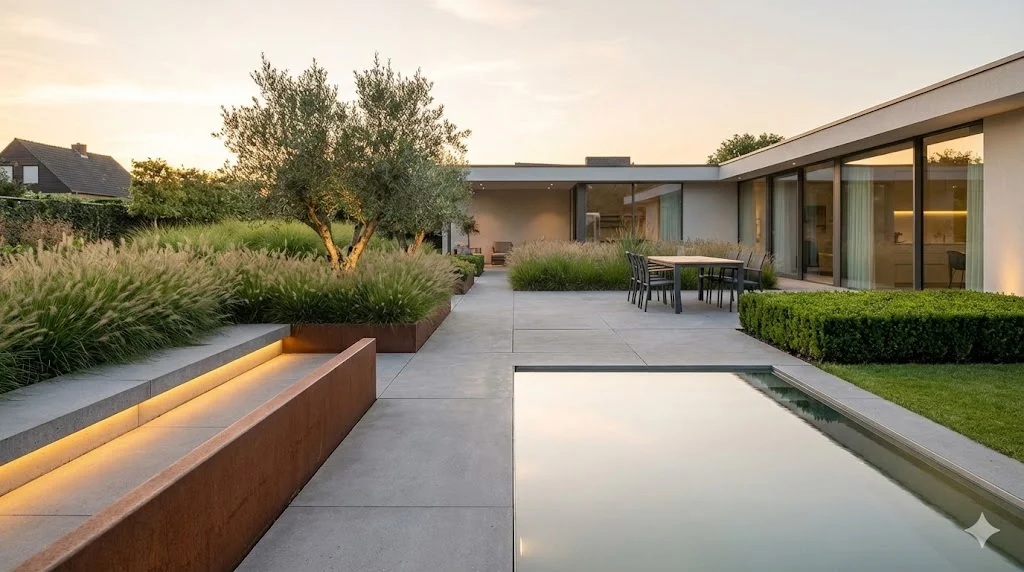
Garden Design Styles: The Complete Guide
Explore every major garden design style from cottage to Japanese, modern to Mediterranean. Find the perfect style for your space, climate, and taste.
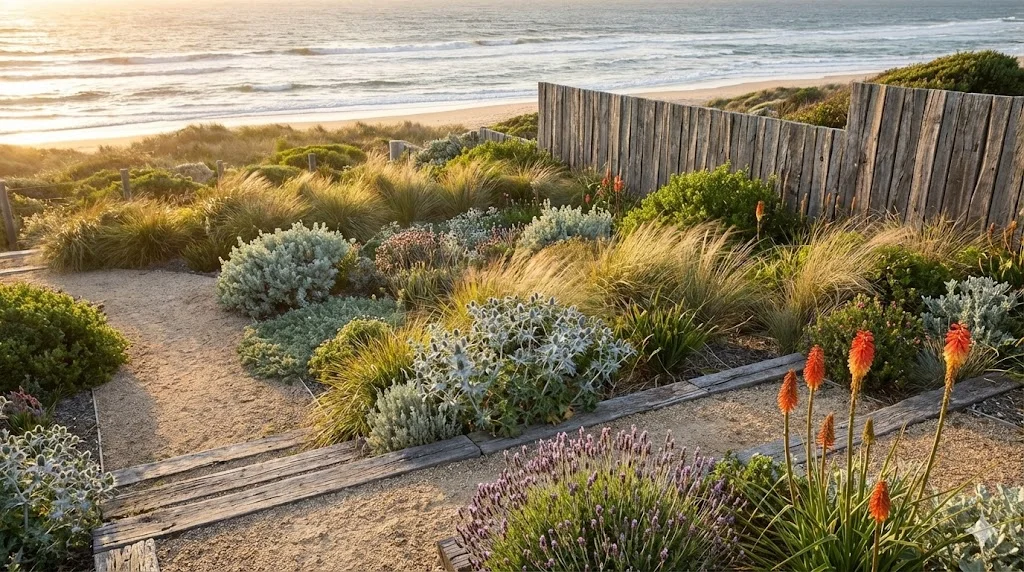
Coastal Garden Design: Salt-Tolerant Beauty
Design a beautiful coastal garden that thrives in salt spray, wind, and sandy soil. Discover the best seaside garden plants and design techniques for exposed sites.
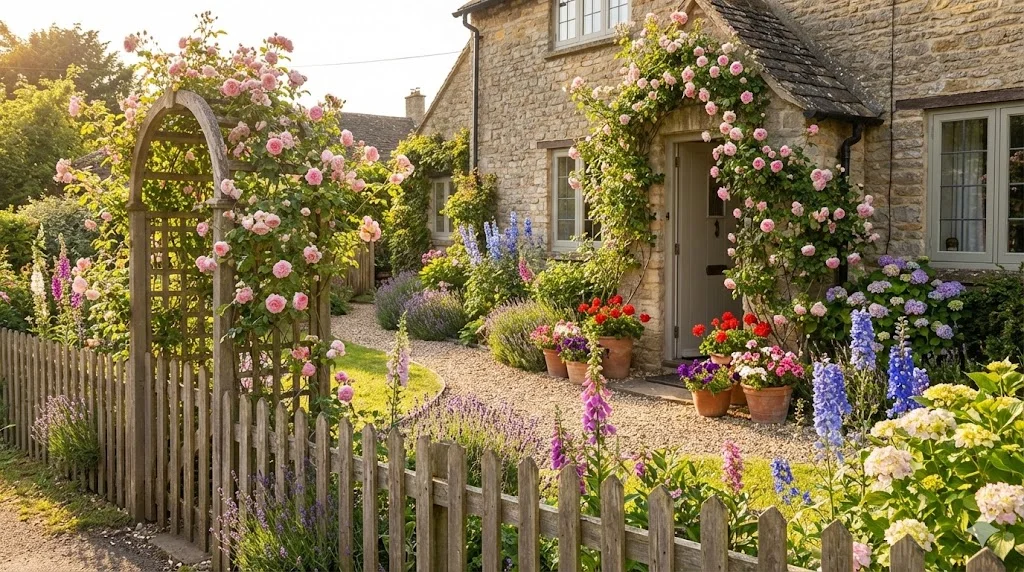
Cottage-Style Front Garden: Welcoming and Colorful
Transform your front garden into a welcoming cottage paradise with climbing roses, flower-lined paths, and seasonal color. Design tips for maximum curb appeal.