
Scandinavian Garden Style: Simple and Functional
Design a Scandinavian-inspired garden with natural materials, functional outdoor rooms, and nature-led planting. Embrace the Nordic approach to outdoor living.
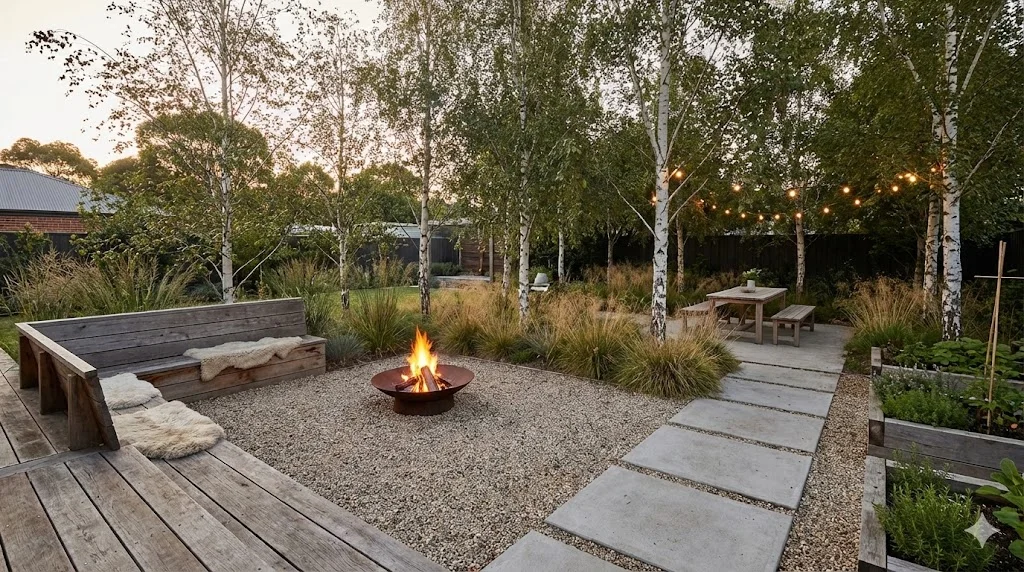
There is a reason Nordic people spend so much of their lives outdoors, even through long winters and short growing seasons. Scandinavian garden design grows out of a deep cultural relationship with nature -- one built on respect for the landscape, honest materials, and the belief that every square meter of outdoor space should earn its place. The result is gardens that feel effortless but are quietly deliberate: calm, functional, and alive in every season.
If you have ever been drawn to the understated beauty of a gravel courtyard framed by silver birch, or a weathered timber deck with a fire pit glowing at dusk, you have already felt the pull of Nordic garden style. This guide walks through the philosophy, materials, plants, and design principles that make Scandinavian gardens so distinctive -- and so livable.
The Nordic Outdoor Philosophy: Friluftsliv and Hygge
Two concepts sit at the heart of Scandinavian garden design. The first is friluftsliv -- literally "free air life" -- the Norwegian idea that time spent outdoors is essential to well-being. It is not about adventure sports or wilderness expeditions. It is about daily contact with fresh air, natural light, and the changing seasons, even if that means sitting on a bench in the rain with a wool blanket and a cup of coffee.
The second is hygge, the Danish word for a particular kind of warmth and togetherness. In the garden, hygge shows up in sheltered seating areas, soft lighting, textured throws, and the crackle of a fire. It is the difference between a garden you look at and a garden you live in.
Together, these ideas shape a design approach that is never purely ornamental. Every element -- from the path material to the choice of shrubs -- is measured against a simple question: does this make it easier and more inviting to spend time outside?
Materials: Honest, Weathered, and Local
Scandinavian gardens have a material palette that feels almost inevitable, as if the garden grew directly from its surroundings. The key is restraint: choose a small number of natural materials and let them age gracefully.
Untreated Timber
Softwood decking, raised bed frames, and fencing are left unfinished or treated only with natural oils. Over time, the wood silvers to a soft grey that blends into the landscape. Larch, cedar, and locally sourced pine are common choices. The goal is not perfection but patina -- timber that looks better with every passing year.
Stone and Gravel
Granite setts, local fieldstone, and pale gravel provide structure and drainage. Paths are often loose-laid gravel bordered by low steel edging, creating clean lines without rigid formality. Large boulders are placed as sculptural anchors, chosen for their natural shape rather than cut to size. Stone walls, when used, are dry-stacked -- another nod to craftsmanship and honest materials.
Steel and Concrete
Corten steel planters, fire bowls, and edging add a warm rust tone that complements the grey of weathered wood and stone. Poured concrete appears in stepping stones and simple bench supports, always with a raw or lightly brushed finish. These industrial touches keep the garden from feeling purely rustic and ground it in contemporary Nordic design.
Creating Functional Outdoor Rooms
One of the most practical lessons from Scandinavian garden design is the idea of outdoor rooms -- distinct zones within the garden, each with a clear purpose. This is not about building walls or installing elaborate structures. It is about using level changes, planting, screens, and surface materials to suggest boundaries and create a sense of enclosure.
A typical Nordic garden might include:
- A dining terrace close to the kitchen, paved in stone or decked in timber, with a simple table and benches.
- A fire pit zone set slightly apart, with low seating, gravel underfoot, and screening from wind.
- A kitchen garden with raised timber beds for herbs, salad leaves, and hardy vegetables.
- A quiet corner -- a single bench beneath a birch tree, facing the afternoon sun.
Each room flows into the next but feels distinct. The transitions are handled with changes in surface (deck to gravel, gravel to lawn) or with planting that narrows the sightline without blocking it entirely. Planning these zones on paper before breaking ground saves time and materials. A garden layout tool can help you test different arrangements and see how spaces connect before committing to a design.
Fire Pits and Outdoor Cooking
Fire is central to Nordic outdoor life. A fire pit extends the usable season by months, turning a cold autumn evening into something worth lingering over. In Scandinavian gardens, fire features tend to be simple: a steel bowl on a gravel pad, a sunken fire ring edged with fieldstone, or a freestanding chiminea tucked into a sheltered corner.
Outdoor cooking goes beyond the standard barbecue. Consider a permanent grill grate over a fire pit, a wood-fired pizza oven built from brick, or even a simple tripod and hanging pot for soups and stews. The point is not elaborate equipment but the ritual of preparing and sharing food outside.
Place fire features where smoke will not drift into seating areas -- check your prevailing wind direction -- and ensure the ground surface is non-combustible. A generous circle of gravel or stone around the fire keeps things safe and defines the space.
Plant Selection for Nordic Garden Style
Scandinavian planting is nature-led. The palette draws on what grows naturally in northern forests, meadows, and coastal edges, then refines it with careful placement and repetition. The effect is lush but never fussy.
Trees: Structure and Light
Silver birch (Betula pendula) is the signature tree of Nordic gardens. Its white bark catches winter light, its canopy is light enough to allow underplanting, and its autumn color is a clear, bright gold. Plant birch in small groves of three or five for the most natural effect.
Other strong choices include rowan (Sorbus aucuparia) for its berries and autumn foliage, Scots pine (Pinus sylvestris) for evergreen structure, and alder (Alnus glutinosa) for damp sites.
Ferns and Shade Plants
Beneath the tree canopy, ferns are essential. Lady fern (Athyrium filix-femina), male fern (Dryopteris filix-mas), and the dramatic ostrich fern (Matteuccia struthiopteris) all thrive in the dappled shade of birch and pine. Combine them with hostas, brunnera, and woodland geraniums for layers of texture. For more on building effective shade layers, see our guide to woodland garden design.
Native Grasses and Meadow Planting
Ornamental grasses bring movement and a wild, windswept quality. Molinia caerulea (purple moor grass), Deschampsia cespitosa (tufted hair grass), and Stipa tenuissima are all excellent in Nordic schemes. Plant them in sweeping drifts along paths or at the edges of gravel areas where their seed heads can catch the low northern light.
For larger spaces, consider a wildflower meadow section with native species like ox-eye daisy, field scabious, yarrow, and red clover. A meadow area reduces mowing, supports pollinators, and captures the spirit of friluftsliv -- a piece of the wild brought close to home.
Mosses and Ground Cover
In shaded, damp areas, moss is not a problem to solve but a material to encourage. Moss-covered stones, moss paths between stepping stones, and moss carpets beneath trees all contribute to the soft, ancient quality of Nordic gardens. If moss colonises naturally in your garden, let it. You can encourage it further by keeping surfaces lightly acidic and shaded.
Low-growing ground covers like wild thyme (Thymus serpyllum), creeping Jenny (Lysimachia nummularia), and ajuga fill gaps between paving and soften hard edges.
Wild Perennials
The backbone of a Scandinavian planting scheme is a collection of tough, long-lived perennials that return reliably year after year. Favourites include:
- Geranium macrorrhizum -- weed-suppressing, semi-evergreen, fragrant foliage.
- Astrantia major -- delicate, papery flowers that last for weeks.
- Echinacea purpurea -- robust, pollinator-friendly, and beautiful in seed.
- Alchemilla mollis -- frothy lime-green flowers that soften every edge.
- Aquilegia vulgaris -- self-sowing and graceful in woodland edges.
Plant in large groups of the same species rather than dotting single plants around. Repetition and rhythm are hallmarks of Nordic planting -- and they make maintenance simpler too.
Seasonal Interest in Cold Climates
A Scandinavian garden must work in every season, including the long months when the ground is frozen and daylight is scarce. Planning for winter interest is not an afterthought; it is a core design decision.
Winter structure comes from evergreens (pine, yew, juniper, box), the bark of birch and cherry, the dried seed heads of grasses and perennials left standing, and the architectural forms of deciduous trees stripped of their leaves.
Spring arrives with snowdrops, crocuses, and the unfurling fronds of ferns. Underplant birch groves with drifts of Narcissus and wood anemone for early colour.
Summer is generous but short. Make the most of it with dense, layered planting and outdoor rooms that are ready to use from the first warm day.
Autumn brings the richest colours -- birch gold, rowan red, the bronze tones of molinia grass -- and the satisfaction of a harvest from the kitchen garden.
Thinking through how your garden will look across the full year helps ensure that no season feels empty or neglected.
Lighting for Dark Winters
In northern latitudes, winter days can be as short as six hours. Good garden lighting is not decorative -- it is what makes the garden usable for half the year.
The Scandinavian approach to lighting favours warm, low-level sources over floodlights. Think:
- Path lights at ankle height, casting pools of warm light along gravel paths.
- Candle lanterns on tables and steps -- real flame is always preferred where safe.
- String lights draped loosely over a pergola or between trees, creating a soft canopy of light.
- Uplighting on birch trunks to make the white bark glow against the dark sky.
- Fire -- the fire pit does double duty as the most atmospheric light source of all.
Avoid cold white LEDs. Choose warm white (2700K or below) to preserve the sense of hygge. Solar-powered options work well in summer but may need supplementing with mains-powered fixtures for the darkest months.
Raised Beds: Combining Beauty with Utility
Raised beds are a staple of Nordic gardens, and not only for growing food. They solve practical problems -- improving drainage in heavy soil, warming the root zone earlier in spring, and bringing plants closer to eye level. They also create structure, defining the edges of outdoor rooms and providing informal seating.
Build raised beds from the same untreated timber used elsewhere in the garden for visual coherence. A height of 40 to 60 centimeters (roughly 16 to 24 inches) is comfortable for tending without stooping and sturdy enough to sit on. Line the inside with landscape fabric to slow timber decay, and fill with a good mix of topsoil and compost.
Use raised beds for herbs, cut flowers, strawberries, and salad crops near the kitchen. In ornamental areas, fill them with grasses, ferns, and low perennials to add height and texture to an otherwise flat site.
Scandinavian Minimalism vs. Warmth
There is a common misconception that Scandinavian design is cold and stark. In reality, Nordic minimalism is about removing what does not serve a purpose so that what remains can be enjoyed fully. It is subtractive, not austere.
In the garden, this means:
- Fewer materials, used well. Two or three surface materials, repeated consistently, create calm. A patchwork of six different paving types creates visual noise.
- Simple shapes. Rectangular beds, straight paths, and clean edges feel contemporary and are easier to maintain than complex curves.
- Warm textures. Timber, wool, linen, and firelight counterbalance the coolness of stone and steel. A sheepskin draped over a bench transforms it from furniture into an invitation.
- Generous planting. The restraint is in the hard landscaping; the planting is allowed to be abundant, soft, and slightly wild.
The balance between discipline and warmth is what gives Scandinavian gardens their distinctive character -- and what makes them such comfortable places to spend time.
Bringing It All Together
Scandinavian garden design is ultimately about making outdoor space work for daily life, in every season and every kind of weather. It asks you to think about how you actually use your garden -- where you sit, where you cook, where you grow food, where you walk -- and to shape the space around those activities with honest materials and nature-led planting.
Start with the bones: define your outdoor rooms, choose your materials, and plan the layout to scale. Then layer in planting that follows the rhythms of your local climate. Add fire, add light, add a good blanket. The rest will follow.
For a broader look at how Nordic style sits alongside other approaches, from cottage gardens to contemporary minimalism, explore our complete guide to garden design styles.
Garden Design Team
Expert garden designers sharing tips, inspiration, and practical advice for creating beautiful outdoor spaces.
Explore professional garden design
Gardenly3D is a paid professional garden-design application. See plans for included capabilities and availability.
Join the waitlistRelated articles
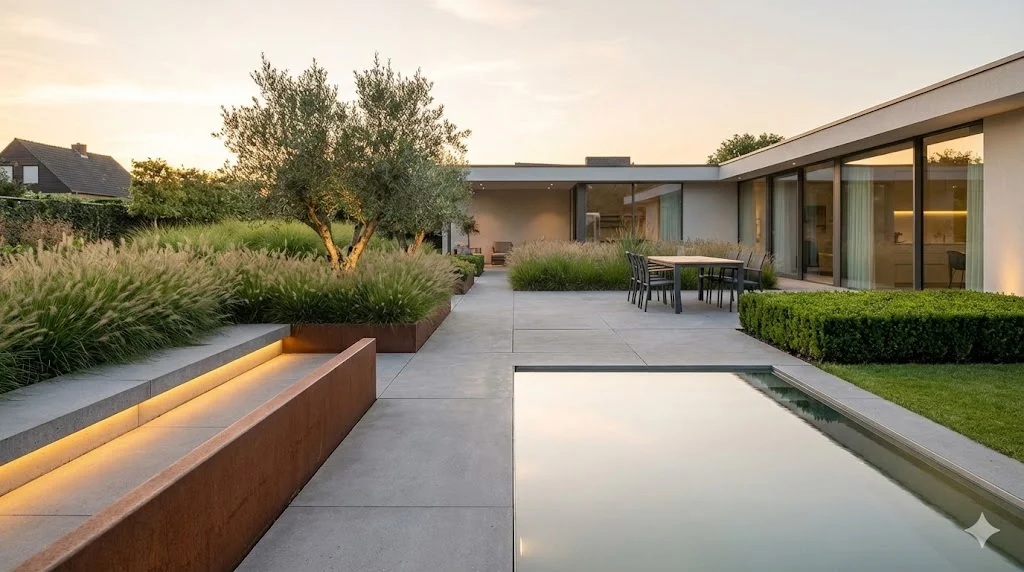
Garden Design Styles: The Complete Guide
Explore every major garden design style from cottage to Japanese, modern to Mediterranean. Find the perfect style for your space, climate, and taste.
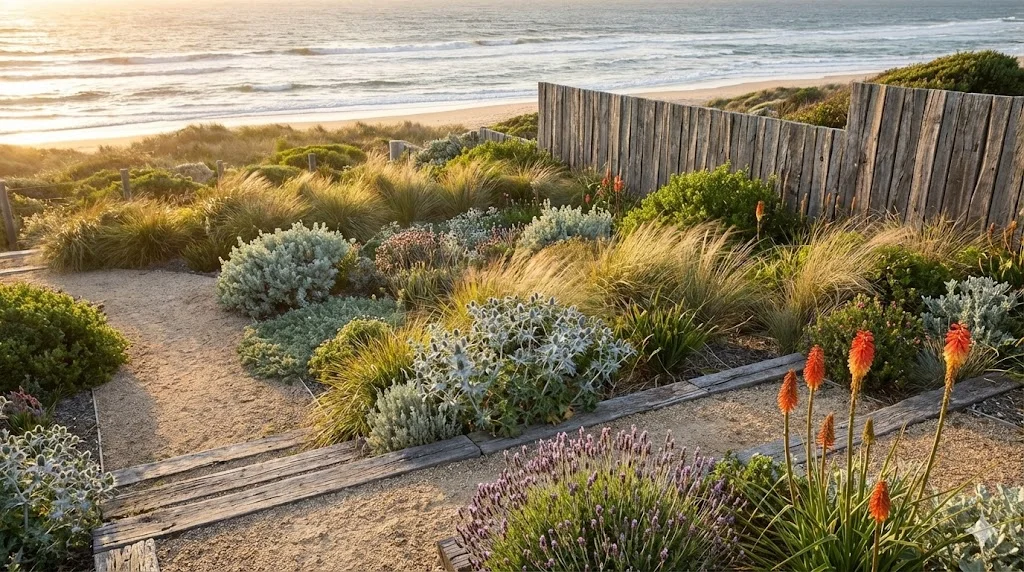
Coastal Garden Design: Salt-Tolerant Beauty
Design a beautiful coastal garden that thrives in salt spray, wind, and sandy soil. Discover the best seaside garden plants and design techniques for exposed sites.
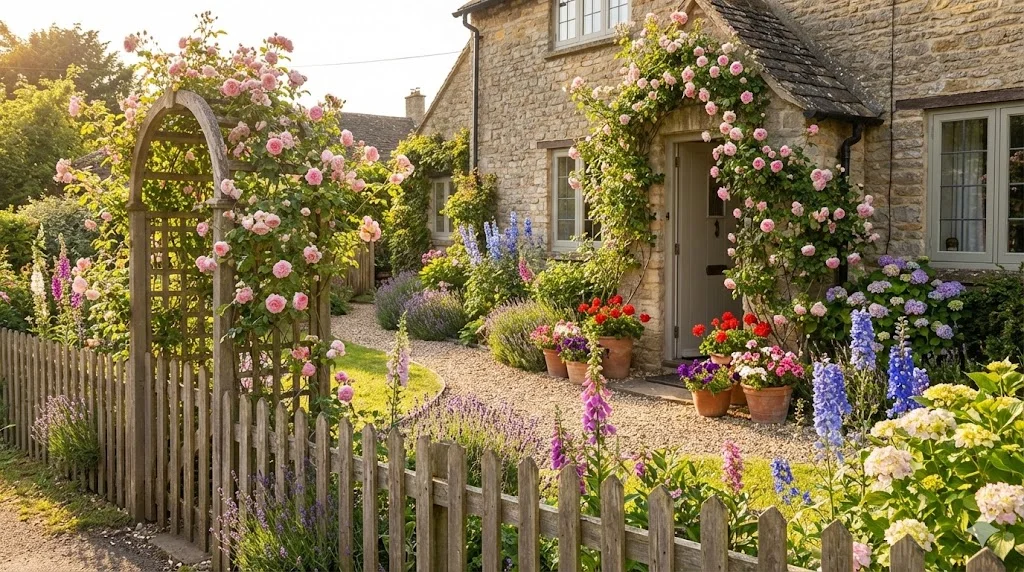
Cottage-Style Front Garden: Welcoming and Colorful
Transform your front garden into a welcoming cottage paradise with climbing roses, flower-lined paths, and seasonal color. Design tips for maximum curb appeal.