
Garden Design for Cold Climates (USDA Zones 3–5)
Design a stunning cold climate garden in USDA Zones 3-5 with hardy plants, winter structure, wind protection, and strategies for short growing seasons.
Garden Design for Cold Climates (USDA Zones 3–5)
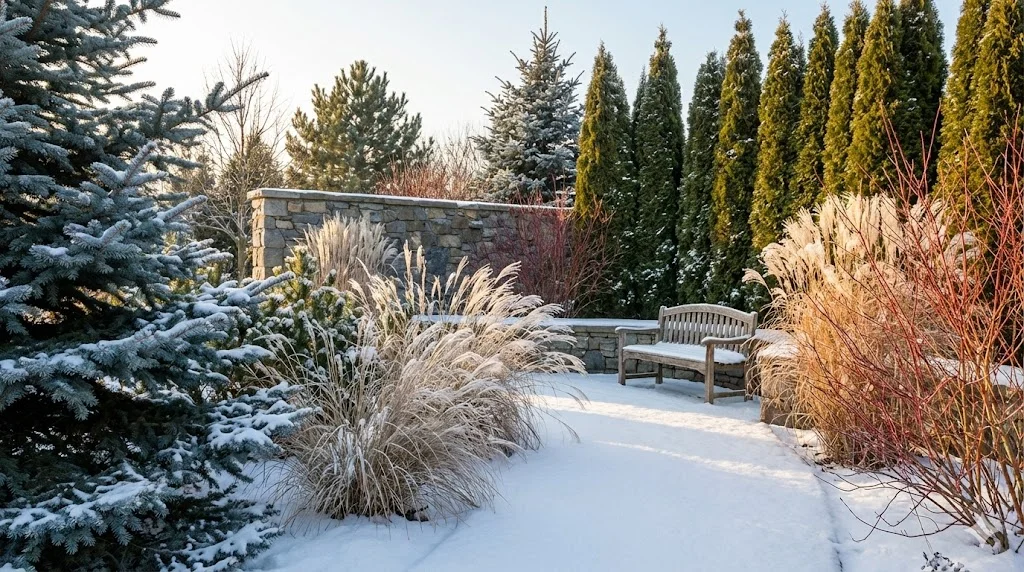
Gardening in USDA Zones 3 through 5 means working with one of nature's most demanding seasonal contracts: winters that plunge to -40 C (-40 F) or colder, growing seasons as short as 90 days, and spring thaws that can arrive in a sudden, muddy rush. Yet cold climate gardens can be among the most dramatic and rewarding landscapes on earth. The key lies in embracing the rhythm of extreme seasons rather than fighting them — designing a garden that celebrates winter structure as enthusiastically as summer bloom.
This guide is part of our comprehensive Garden Design for Your Climate Zone series. Here you will find specific strategies, plant recommendations, and design principles for gardens where deep cold is the defining reality.
Understanding Zones 3–5
USDA Zone 3 experiences minimum winter temperatures of -40 C to -34 C (-40 F to -30 F). Zone 4 ranges from -34 C to -29 C (-30 F to -20 F). Zone 5 sees -29 C to -23 C (-20 F to -10 F). These numbers define which plants can survive, but they do not tell you everything about gardening in cold country.
What makes cold climate gardening uniquely challenging — and uniquely beautiful — is the combination of factors:
- Short growing seasons: 90 to 150 frost-free days, depending on your exact location
- Intense summer light: Long days with 15–18 hours of sunlight drive rapid, concentrated growth
- Freeze-thaw cycles: Spring and fall bring repeated freezing and thawing that heaves soil and damages shallow-rooted plants
- Snow load: Heavy, wet snow can crush weak-structured shrubs and break branches
- Desiccating winter winds: Cold, dry winds strip moisture from evergreens and exposed bark
The cold climate gardener's greatest insight is this: winter is not a season to survive — it is half the garden year, and it deserves to be designed for with as much care as summer.
Designing for Winter Structure
In a cold climate garden, the winter view matters enormously. From November through April — sometimes longer — your garden will be seen through a lens of snow, frost, and bare branches. Great cold climate design prioritizes the bones of the garden: the shapes, textures, and colors that remain when the flowers are gone.
Evergreen Anchors
Evergreen conifers are the backbone of cold climate winter gardens. They provide color, mass, and shelter when everything else is dormant:
- White spruce (Picea glauca) — Hardy to Zone 2, dense blue-green pyramidal form
- Colorado blue spruce (Picea pungens) — Zones 2–7, striking silver-blue needles
- Eastern white pine (Pinus strobus) — Zones 3–8, soft-textured, graceful habit
- Mugo pine (Pinus mugo) — Zones 2–7, compact mounding form for smaller gardens
- Northern white cedar (Thuja occidentalis) — Zones 2–7, excellent for hedging and screening
Place evergreens where they will be visible from your most-used windows. A cluster of three conifers in varying heights creates a winter focal point that catches snow beautifully and provides a green anchor even in the bleakest months.
Deciduous Winter Interest
Bare branches have their own austere beauty, especially when chosen for bark color, branching pattern, or persistent fruit:
- Red-twig dogwood (Cornus sericea) — Brilliant crimson stems against snow
- Yellow-twig dogwood (Cornus sericea 'Flaviramea') — Chartreuse stems for contrast
- Paper birch (Betula papyrifera) — Iconic white peeling bark
- American cranberrybush (Viburnum trilobum) — Persistent red berries through winter
- Crabapple varieties — Fruit clings well into winter, feeding birds and adding color
Ornamental Grasses for Winter Texture
Leave ornamental grasses standing through winter. Their bleached plumes and seedheads catch snow and frost, creating some of the most photogenic moments in the cold climate garden:
- Karl Foerster feather reed grass (Calamagrostis x acutiflora) — Upright, architectural, Zone 4
- Prairie dropseed (Sporobolus heterolepis) — Fine-textured, fragrant, Zone 3
- Switchgrass (Panicum virgatum) — Native, adaptable, Zone 4
Wind Protection Strategies
Wind is the silent adversary of cold climate gardens. It strips warmth, desiccates tissue, and drives wind chill far below air temperature. Effective wind management uses layered, permeable barriers rather than solid walls:
- Outer windbreak: A row of dense conifers (spruce, pine, or cedar) on the windward side, set 15–30 m from the garden
- Inner hedge: A mixed deciduous and evergreen hedge closer to the garden breaks residual wind
- Garden-scale shelter: Fences, walls, or dense shrub plantings create protected microclimates within the garden itself
A well-designed windbreak can raise the effective temperature in its shelter zone by 3–5 C, extending your growing season by two to three weeks. When planning sheltered planting zones in your layout, consider how prevailing winter winds interact with your structures and topography.
A permeable windbreak that filters wind is far more effective than a solid barrier. Solid walls create turbulence on the leeward side that can be worse than the original wind.
Short-Season Planting Strategies
With only 90 to 150 frost-free days, cold climate gardeners must plan for rapid, concentrated impact. The best short-season gardens layer early, mid, and late performers so the garden is never without color during its brief growing window.
Spring Rush (May–June)
Cold climate springs are explosive. Once the snow melts and the soil thaws, plants that have been storing energy all winter surge into growth:
- Crocuses and snowdrops — The first color, often pushing through lingering snow
- Tulips and daffodils — Reliable spring staples for Zones 3–5
- Bleeding heart (Lamprocapnos spectabilis) — Elegant arching stems, Zone 3
- Virginia bluebells (Mertensia virginica) — Carpets of blue in woodland settings
- Siberian squill (Scilla siberica) — Naturalizes to form rivers of blue
Summer Peak (July–August)
The heart of the cold climate garden year. Long days and intense light produce vivid, saturated colors:
- Daylilies (Hemerocallis) — Tough, prolific, enormous color range, Zone 3
- Peonies — The signature perennial of cold climate gardens, Zone 3
- Delphiniums — Towering blue spires, thrive in cool summers, Zone 3
- Bee balm (Monarda) — Native, pollinator magnet, Zone 3
- Black-eyed Susans (Rudbeckia) — Late summer gold, Zone 3
Fall Finale (September–October)
As the season winds down, asters, sedums, and ornamental grasses carry the garden through the first frosts:
- New England aster (Symphyotrichum novae-angliae) — Purple, pink, and white, Zone 3
- Sedum 'Autumn Joy' — Succulent foliage, dusty pink flower heads, Zone 3
- Goldenrod (Solidago) — Golden plumes, excellent for pollinators, Zone 3
Snow-Load Planting and Design
Heavy snow is both friend and foe. It insulates plant roots from extreme cold (a snow blanket maintains soil temperature near 0 C even when air temperatures plunge to -30 C), but its weight can crush plants and break branches.
Design for snow load by:
- Choosing plants with flexible stems that bend under snow rather than snapping — willows, birches, and most native shrubs
- Avoiding broad, flat-topped evergreens in heavy snow areas; pyramidal forms shed snow naturally
- Placing fragile plants under the eaves of buildings where snow slides off the roof, or well away from roofline drop zones
- Using raised beds that elevate plants above the snow pack and warm faster in spring
- Designing wide paths that accommodate snow banks on either side
Soil Strategies for Cold Climates
Cold climate soils face unique challenges. Freeze-thaw cycles heave shallow-rooted plants out of the ground. Late snow melt creates waterlogged conditions in spring. Short warm seasons limit the decomposition of organic matter.
Practical soil strategies include:
- Mulch heavily in late fall — 10–15 cm (4–6 inches) of shredded bark or straw insulates roots and moderates freeze-thaw heaving
- Improve drainage — Raised beds and gravel-amended soil prevent spring waterlogging
- Build organic matter — Compost additions improve both drainage and moisture retention
- Use deep-rooted plants — Deep tap roots anchor plants against frost heave and access moisture below the freeze line
Creating Microclimates
Every cold climate garden contains warmer pockets waiting to be exploited. South-facing walls absorb solar radiation and re-emit it as warmth. Sheltered courtyards block wind. Thermal mass from stone, brick, or water features moderates temperature extremes.
Strategies for creating microclimates:
- Plant tender specimens against south or west-facing walls — The reflected and stored heat can push conditions a full zone warmer
- Use raised stone or brick beds — Thermal mass warms soil earlier in spring
- Create sunken gardens or walled enclosures — Cold air drains downhill, so a sheltered depression surrounded by a wall on the north side can be surprisingly warm
- Use water features strategically — Even a small pond moderates temperature extremes in its immediate vicinity
With careful microclimate management, Zone 4 gardeners can grow some Zone 5 or even Zone 6 plants. Gardeners in Scandinavia face very similar cold-climate challenges and have developed complementary strategies worth exploring. The process of mapping your garden's microclimates and testing plant placement before committing to a design can save years of trial and error.
A Cold Climate Plant Palette
Here is a selected group of well-proven performers for Zones 3–5, organized by role:
Trees: Paper birch, quaking aspen, sugar maple (Zone 4+), white spruce, crabapple, American linden
Shrubs: Lilac, ninebark, potentilla, red-twig dogwood, serviceberry, dwarf bush honeysuckle
Perennials: Peony, daylily, hosta, astilbe, delphinium, lupine, Siberian iris, bee balm, catmint, sedum
Grasses: Karl Foerster reed grass, blue oat grass (Zone 4+), switchgrass, prairie dropseed
Ground covers: Creeping thyme, sweet woodruff (Zone 4+), wild ginger, bunchberry
Many of these plants also perform well in Canadian gardens, where similar cold-climate conditions prevail across a vast geographic range.
Bulbs: Tulips, daffodils, crocuses, alliums, Siberian squill, grape hyacinths
Getting Started: Your Cold Climate Design Plan
Designing a beautiful cold climate garden comes down to respecting the seasons and working with the extremes rather than against them. Here is your action plan:
- Map your microclimates — Identify the warmest, most sheltered spots and the coldest, most exposed areas.
- Start with winter structure — Place evergreens, plants with decorative bark, and ornamental grasses first. If the garden looks good in January, it will look good all year.
- Layer for your short season — Plan spring, summer, and fall waves so the garden is never bare during the growing season.
- Protect from wind — Establish or reinforce windbreaks on the north and west sides.
- Mulch and improve soil — Deep mulch and consistent composting are your most powerful tools for plant survival and vigor.
- Embrace the cold — Design a winter seating area where you can enjoy the beauty of your garden through the quiet months. A fire pit, a sheltered bench with a view of red-stemmed dogwoods, or a window seat overlooking the garden in snow — these are the moments that make cold climate gardening deeply rewarding.
Cold climate gardens demand patience, planning, and a willingness to see beauty in dormancy. In return, they offer some of the most dramatic seasonal transformations in the gardening world — from the first crocus pushing through snow to the last golden grass plume catching December light.
Garden Design Team
Expert garden designers sharing tips, inspiration, and practical advice for creating beautiful outdoor spaces.
Explore professional garden design
Gardenly3D is a paid professional garden-design application. See plans for included capabilities and availability.
Join the waitlistRelated articles
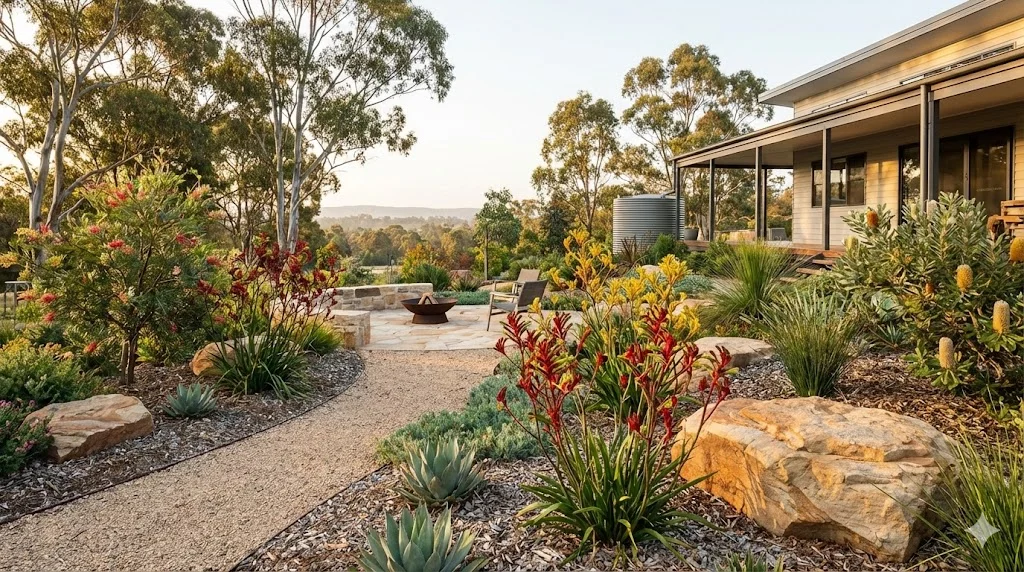
Garden Design for Australian Conditions
Design a resilient Australian garden with native plants, bushfire-safe landscaping, water-wise strategies, and solutions for subtropical to arid climates.
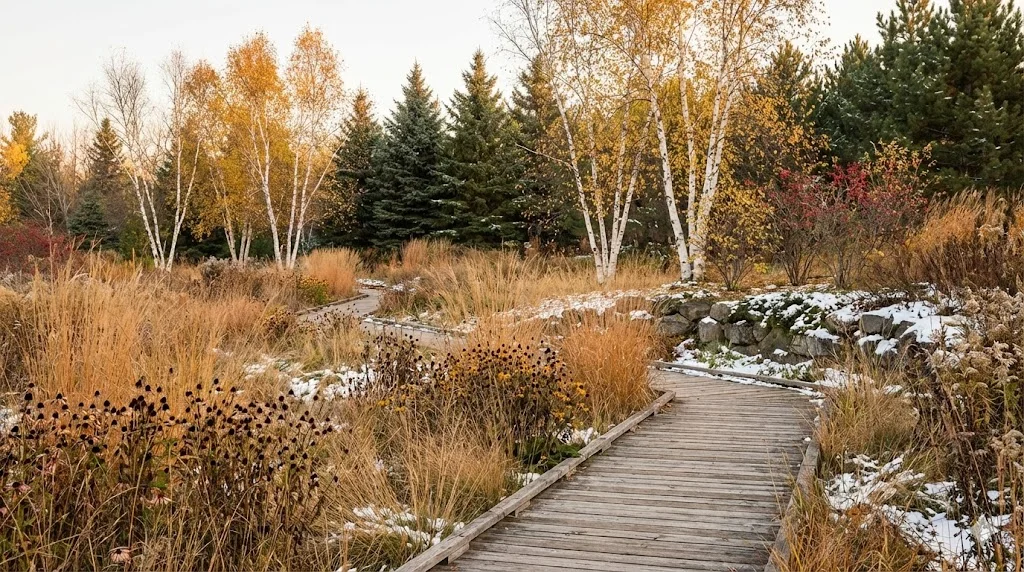
Garden Design for Canada
Design a resilient Canadian garden with extreme cold strategies, native prairie and boreal plants, short season planting, and wildlife-friendly garden design.
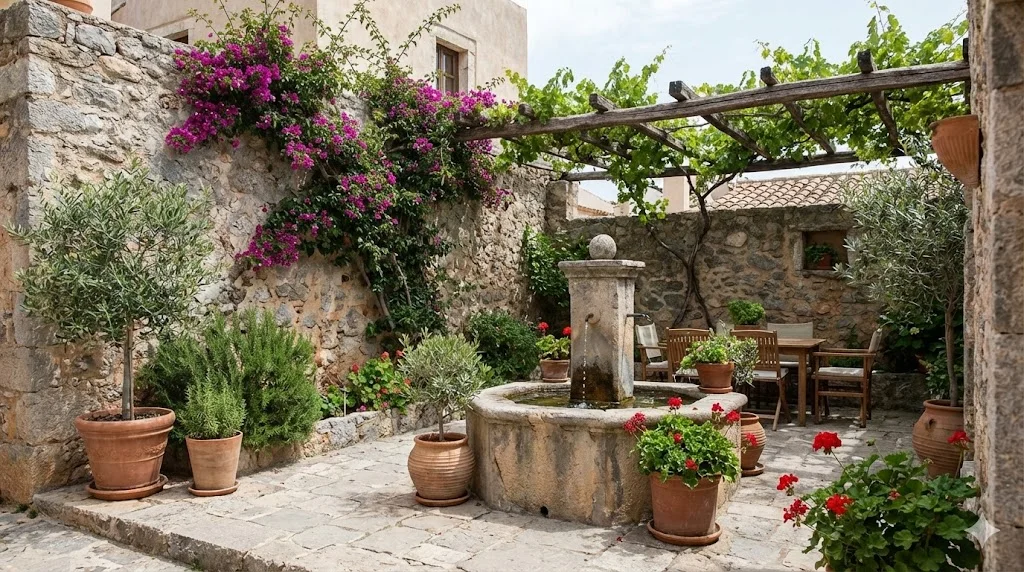
Garden Design for Coastal Mediterranean (Spain, Italy, Greece)
Design a stunning coastal Mediterranean garden with bougainvillea, citrus, courtyards, dry stone walls, and irrigation strategies for Spain, Italy, and Greece.