
Zen Garden Design: Minimalism and Meditation
Create a meditative Zen garden with raked gravel, carefully placed stones, and the timeless principles of karesansui. A guide to dry landscape garden design.
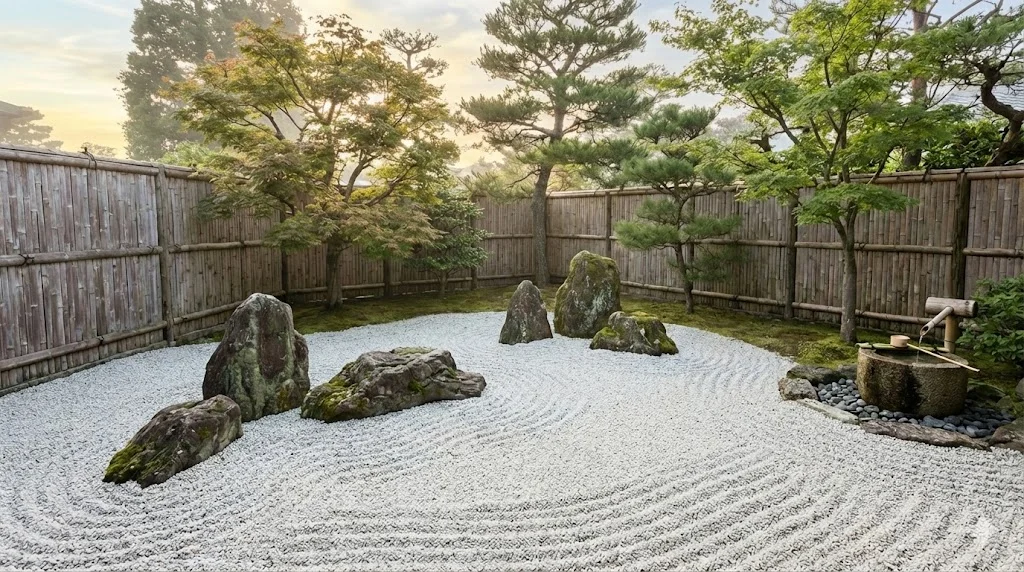
Zen Garden Design: Minimalism and Meditation
A Zen garden asks you to stop adding and start taking away. Where most garden traditions celebrate abundance — overflowing borders, layers of color, beds crammed with bloom — the Zen garden finds its beauty in restraint. A few carefully chosen stones rise from a sea of raked gravel. A patch of moss softens a corner. A weathered bamboo fence encloses the space in quiet privacy. Nothing is accidental, and nothing is unnecessary.
The result is a garden that doesn't just look peaceful — it actively cultivates stillness. For centuries, Zen monks have used these dry landscapes as aids to meditation, and the same principles work just as powerfully in a modern courtyard or side yard.
If you're weighing Zen against other approaches, our complete guide to garden design styles covers every major tradition side by side.
The Origins of Karesansui
The Zen garden traces its roots to the karesansui — literally "dry mountain water" — tradition that emerged in medieval Japan. While Japanese gardens had long incorporated ponds and streams, Zen Buddhist monks of the Muromachi period (roughly 1336–1573) developed a radical alternative: a garden that represented water without using a single drop.
The most famous example is the rock garden at Ryoan-ji temple in Kyoto, dating to the late fifteenth century. Fifteen stones sit in five groups across a rectangle of raked white gravel, enclosed by low earthen walls. No trees grow within the garden. No flowers bloom. Yet it remains one of the most studied gardens in the world.
Karesansui was never merely decorative. These gardens were designed as objects of contemplation — visual koans inviting the viewer to sit and find meaning in emptiness. The practice of raking the gravel itself became a form of moving meditation, quieting the mind through repetitive, focused action.
Core Principles of Zen Garden Design
Kanso: Simplicity
Kanso calls for the elimination of clutter. In a Zen garden, this means resisting the temptation to add "just one more" plant or ornament. The garden should feel spare without feeling empty — a balance achieved through careful editing rather than casual neglect.
Fukinsei: Asymmetry
Symmetry suggests human control; asymmetry suggests nature. Zen gardens avoid centered or mirrored compositions. Stones are placed off-center. The composition is balanced but never symmetrical — a dynamic equilibrium that keeps the eye moving and the mind engaged.
Shizen: Naturalness
Despite being highly composed, a Zen garden should never look contrived. Stones should appear as though they have always been there, settled naturally into the earth. Gravel should flow around obstacles the way water flows around rocks in a stream.
Choosing and Placing Stones
Stones are the bones of a Zen garden. In karesansui, they represent mountains, islands, or simply the enduring presence of the natural world.
Selecting Stones
Look for stones with character — weathered surfaces, interesting grain, lichen patches, and subtle color variation. Avoid stones that are too uniform or brightly colored. Traditionally, stones are categorized by shape: tall vertical (taido), low vertical (reisho), arching (shigyo), reclining (kikyaku), and flat (shintai). A well-composed group uses contrasting shapes.
Grouping in Odd Numbers
Stones are almost always arranged in odd-numbered groups — three, five, or seven. Odd numbers create natural asymmetry and prevent the eye from splitting the composition in half. A group of three is most common: one dominant tall stone, one medium supporting stone, and one low accent, forming a scalene triangle in plan view.
Burying for Permanence
Bury at least one-third of each stone below the surface. Stones sitting entirely on top of the ground look temporary and unstable. Tilt them slightly — never perfectly upright — and orient their grain lines to suggest geological continuity, as though all the stones in a group were once part of the same outcrop.
Gravel: The Sea, the River, the Void
Raked gravel — typically fine crushed granite in white, cream, or pale grey — is the defining surface of a karesansui garden. It serves as the negative space against which the stones are read.
Choosing and Laying Gravel
Decomposed granite in a 3–5 mm grain size is the traditional choice. Finer material compacts too tightly; coarser material resists clean patterning. White gravel maximizes contrast with dark stones, while pale grey feels warmer and more subdued. Avoid dyed gravels — they look artificial and fade unevenly.
Lay gravel 75–100 mm deep (roughly 3–4 inches) over a compacted sub-base with a weed-suppressing membrane beneath.
Raking Patterns
Straight parallel lines suggest flowing water or a calm sea. Concentric circles around stones represent ripples spreading outward. Start by raking around stones first, drawing concentric arcs that follow each stone's contour, then extend the pattern outward into parallel lines. Use a wide-toothed wooden rake (kumade) for clean, consistent furrows.
Raking patterns are not permanent. Wind, rain, and fallen leaves will soften them, and part of maintaining a Zen garden is the regular, contemplative practice of re-raking.
Moss: The Living Element
In the austere karesansui palette, moss provides the only living green. It softens stone, adds texture at ground level, and changes character with the seasons — bright emerald after rain, muted sage in dry weather.
Moss grows best in shade on compacted, slightly acidic soil. It typically carpets the base of stone groupings or the edges of the gravel field. In drier climates, establish it using a slurry of blended moss and buttermilk spread over damp soil. Resist adding other ground covers — moss alone provides more than enough visual interest without diluting the Zen simplicity.
Enclosure: Walls and Fences
A Zen garden must feel set apart from the everyday world. Enclosure creates a psychological threshold between the ordinary and the contemplative.
A rendered masonry wall in off-white or pale grey captures the spirit of Kyoto's traditional earthen walls. Bamboo fencing — especially the kennin-ji gaki style with split bamboo tied to horizontal rails — is the most accessible option for a residential setting and weathers beautifully from golden-green to silver-grey. Tightly clipped hedges of yew, box, or Japanese holly offer a living alternative. If you're planning boundaries and want to test how different fence heights and positions frame your garden, layout planning tools let you experiment before committing to materials.
A Minimal Plant Palette
A traditional karesansui may contain no plants beyond moss. When plants are included, the palette is extremely restrained.
Japanese black pine (Pinus thunbergii) is the classic tree choice, with its twisting trunk and cloud-pruned canopy. Japanese maple (Acer palmatum) suits smaller spaces. Place any tree off-center, outside the main gravel field, so it frames the composition without competing with the stones. A small grove of black bamboo at the perimeter reinforces enclosure and adds gentle sound.
The most common mistake is adding too many species. Every plant competes for attention in a design language that prizes emptiness.
Creating a Meditation Space
A Zen garden is designed to be contemplated, so you need a place to sit. A simple wooden bench, a flat stone seat, or a timber deck provides a viewing spot without adding visual complexity.
Design your stone placements and raking patterns with the primary viewing angle in mind. The most interesting face of each stone should orient toward the seated viewer. If your garden will be viewed from multiple angles — a courtyard visible from two rooms, for instance — compose the stone groups to read well from at least two vantage points.
A small shishi-odoshi (deer scarer) — a bamboo tube that fills with water, tips, and strikes a stone — adds rhythmic punctuation to the silence, drawing attention to the quiet that surrounds it.
Modern Zen Adaptations
The Zen philosophy adapts naturally to contemporary settings. Polished concrete, Corten steel edging, and dark slate can replace traditional materials, provided the palette stays restrained. Subtle uplighting at the base of key stones extends the garden into evening hours — but avoid bright, even illumination that flattens shadows. For more on how minimalism translates to modern gardens, our guide to modern minimalist garden design explores this in detail.
Some modern Zen gardens reintroduce water in minimal form — a single basin (tsukubai) fed by a bamboo spout. If you include water, keep it small and quiet. Gentle trickling complements the atmosphere; a loud fountain destroys it.
Zen in Small Courtyard Gardens
Zen design is exceptionally well suited to small spaces. Ryoan-ji's rock garden measures only about 25 by 10 meters (80 by 30 feet), and many temple sub-gardens are far smaller.
A courtyard as small as 3 by 3 meters (10 by 10 feet) can hold a meaningful Zen garden — a single group of three stones, a gravel surface, and a moss border. In a narrow side yard, a linear arrangement works well: a strip of raked gravel with one or two stone groupings placed asymmetrically, and moss softening the boundary walls.
Even without ground-level space, a broad shallow tray of fine gravel and a few selected stones captures karesansui at a miniature scale. These tabletop Zen gardens — sometimes called bonseki — have a long history and offer meditative practice without requiring any outdoor space.
Maintaining the Meditative Quality
A Zen garden is low-maintenance in one sense — few plants, no lawn — but high-attention in another. Its simplicity leaves no room for neglect.
Re-rake the gravel weekly, or after significant wind or rain. Approach it slowly, with attention to the patterns you are creating. Pull weeds promptly while small. Keep moss damp during dry spells with gentle misting and remove debris that smothers it. Check periodically that stones have not shifted due to frost heave or erosion, and rebed any that have moved. When planning seasonal care or considering changes to your meditation garden layout, testing ideas visually before moving heavy stone saves both effort and peace of mind.
From Philosophy to Garden
Designing a Zen garden is an exercise in restraint, patience, and attention — qualities that mirror the meditative practice the garden supports. Start with the stones. Place them with care, bury them deep, and orient them with respect for their natural grain. Lay the gravel, rake it slowly, and let the patterns emerge. Add moss where it will soften and age the composition. Enclose the space, sit down, and look.
You will likely want to add more. Resist. The Zen garden gains its power not from what you put in, but from what you leave out. For more on the broader Japanese tradition that gave rise to karesansui — including stroll gardens, tea gardens, and pond gardens — see our guide to Japanese garden design principles.
Garden Design Team
Expert garden designers sharing tips, inspiration, and practical advice for creating beautiful outdoor spaces.
Explore professional garden design
Gardenly3D is a paid professional garden-design application. See plans for included capabilities and availability.
Join the waitlistRelated articles
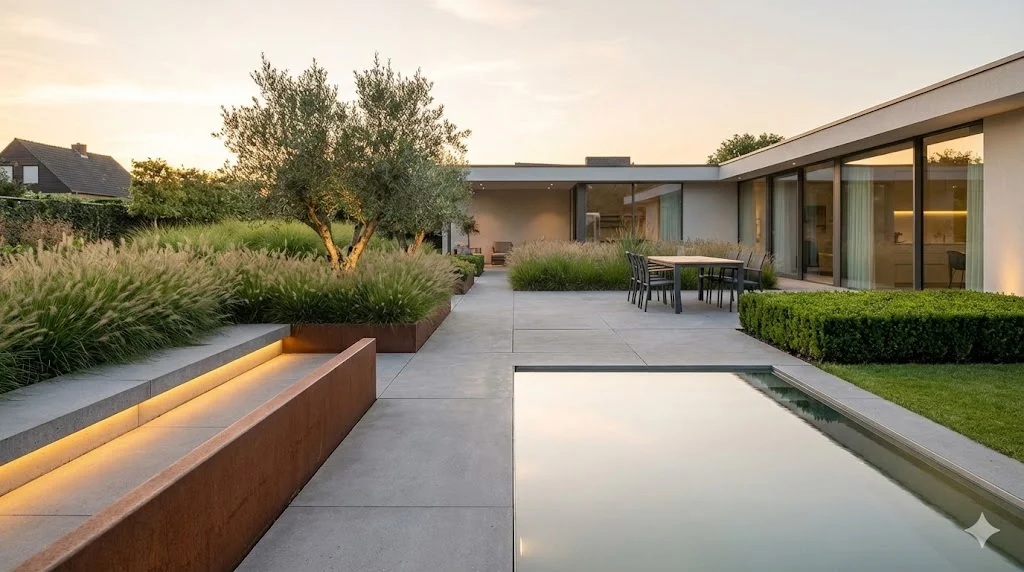
Garden Design Styles: The Complete Guide
Explore every major garden design style from cottage to Japanese, modern to Mediterranean. Find the perfect style for your space, climate, and taste.
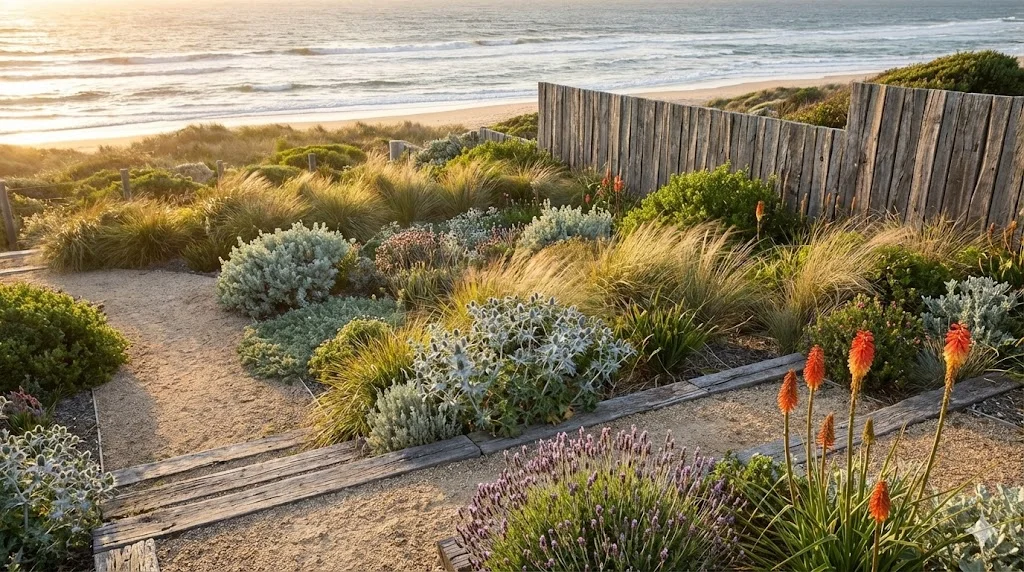
Coastal Garden Design: Salt-Tolerant Beauty
Design a beautiful coastal garden that thrives in salt spray, wind, and sandy soil. Discover the best seaside garden plants and design techniques for exposed sites.
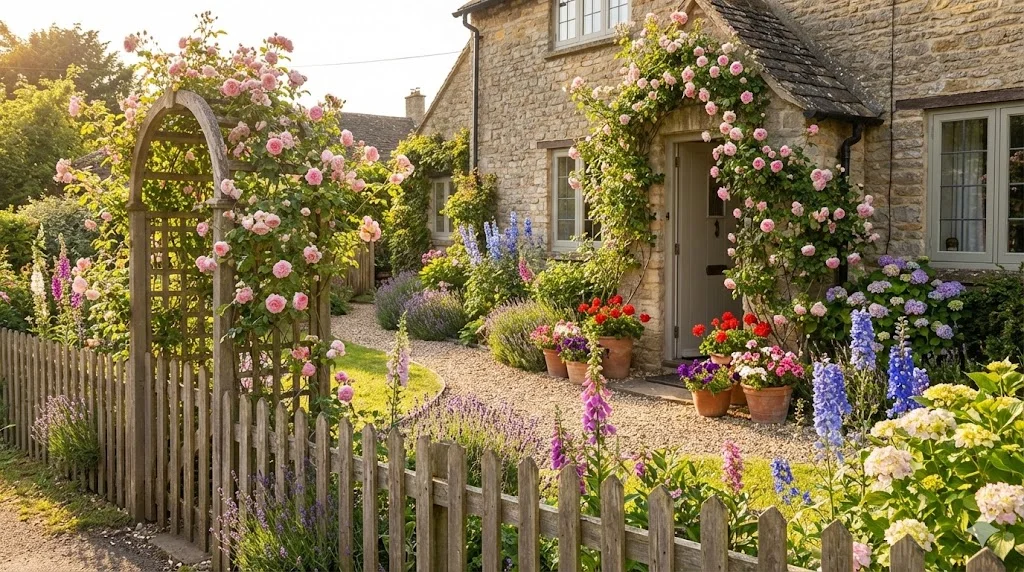
Cottage-Style Front Garden: Welcoming and Colorful
Transform your front garden into a welcoming cottage paradise with climbing roses, flower-lined paths, and seasonal color. Design tips for maximum curb appeal.