
Tropical Garden Design for Any Climate
Create a lush tropical garden even in temperate climates. Discover hardy tropical plants, bold foliage combinations, and design techniques for an exotic look.
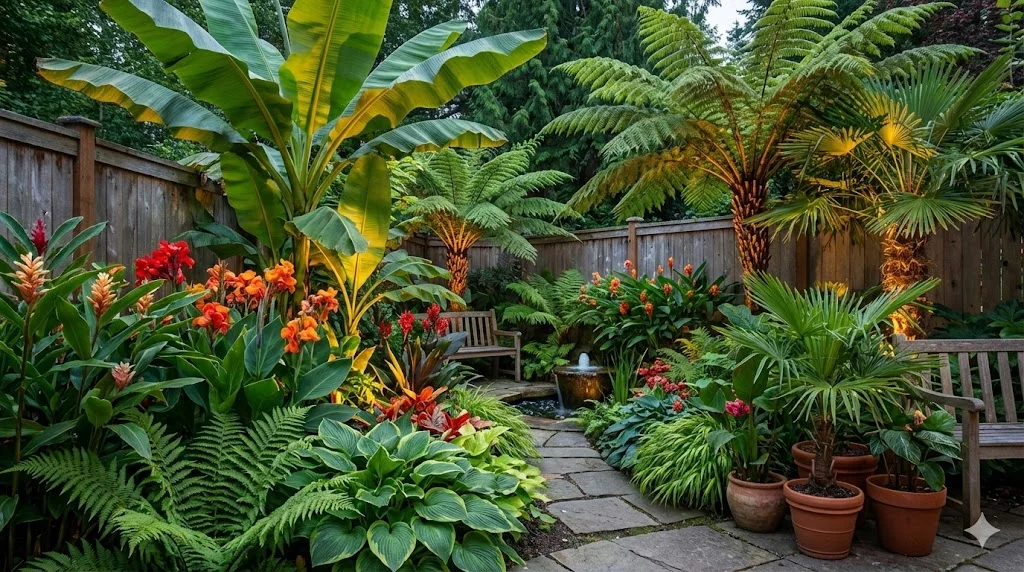
There is something irresistible about a tropical garden. The oversized leaves, the saturated colors, the sense of stepping into a lush, wild paradise the moment you open the back door. For many gardeners in temperate climates, the tropical look feels like an impossible dream reserved for warmer latitudes. But the truth is that tropical garden design is far more achievable than you might think, no matter where you live.
With the right plant choices, clever layering techniques, and a handful of design strategies, you can create a genuinely exotic atmosphere in a UK courtyard, a Pacific Northwest backyard, or a New England patio garden. The key lies not in replicating a rainforest plant-for-plant, but in capturing the essence of the tropics through bold foliage, dense planting, and dramatic contrasts.
What Makes a Garden Feel Tropical?
Before reaching for the nearest banana plant, it helps to understand what actually gives a tropical garden its character. The answer is not any single species. It is a combination of design principles that work together to create that enveloping, jungle-like atmosphere.
Layered Foliage at Every Height
True tropical landscapes are defined by layers. Tall palms and tree ferns form the canopy. Mid-height bananas, cannas, and large-leaved shrubs fill the middle tier. Ground-level ferns, hostas, and creeping plants carpet the floor. This vertical density is the single most important element in tropical garden design. When you eliminate bare soil and fill every vertical zone with foliage, even a modest border starts to feel like a jungle clearing.
Bold Textures and Oversized Leaves
The tropics are not the place for delicate, wispy planting. Think big. Enormous paddle-shaped banana leaves, spiky palm fronds, the architectural fans of fatsia, the pleated blades of canna lilies. These bold textures create visual drama and give the garden an unmistakable exotic signature. A single large-leaved plant placed among finer-textured neighbors creates an instant focal point.
Dense, Generous Planting
Tropical gardens do not do minimalism. Plants grow close together, weaving into one another, competing for light, and creating a sense of abundance that borders on overflowing. When designing your tropical border, plant more densely than you would in a traditional herbaceous scheme. Allow plants to overlap, intermingle, and jostle for attention. The slight sense of controlled chaos is exactly what makes the style so compelling.
Saturated Color
While foliage does the heavy lifting, color adds the finishing punch. Hot oranges, vivid reds, deep purples, and electric yellows are the palette of the tropical garden. These are not pastel cottage garden tones. They are bold, confident, and unapologetic. Used among dark green foliage, they glow like jewels.
Hardy Tropical Plants for Temperate Climates
The great news for gardeners outside the tropics is that a remarkable number of plants can deliver the tropical look while surviving cold winters. The trick is choosing species that look exotic but are tougher than they appear. Here are the workhorses of temperate tropical plants for temperate climate gardens.
Bananas: The Backbone of the Border
Musa basjoo, the Japanese fiber banana, is the single most important plant in the hardy tropical gardener's toolkit. It is root-hardy to around -10C (14F) and will regenerate from the base each spring in most temperate climates. In a sheltered spot with winter mulching, mature plants can reach 3 to 4 meters in a single growing season, producing those magnificent paddle-shaped leaves that instantly say "tropics." For even bolder impact, Ensete ventricosum 'Maurelii' offers deep burgundy-red leaves, though it needs lifting and overwintering indoors in cold areas.
Palms: Elegant and Surprisingly Hardy
Trachycarpus fortunei, the Chusan palm, is the classic hardy palm for temperate gardens. It tolerates temperatures down to -12C (10F) or even lower once established, and its fan-shaped fronds add unmistakable tropical architecture. Plant it as a specimen or in a small grove for a genuinely exotic canopy layer. Chamaerops humilis, the dwarf fan palm, is another excellent choice for smaller spaces, forming a multi-stemmed clump of silver-green fans.
Tree Ferns: Instant Jungle Atmosphere
Dicksonia antarctica, the soft tree fern, is one of the most dramatic plants you can grow in a sheltered temperate garden. Its unfurling fronds create a prehistoric, jungle-like canopy that transforms any shaded corner into a tropical glade. Hardy to around -5C (23F) with crown protection, it thrives in the dappled shade that many gardens already provide. Position it where you can look up through the fronds for maximum impact.
Cannas: Bold Foliage and Fiery Flowers
Cannas are the workhorses of tropical color. Their large, paddle-shaped leaves come in shades of green, bronze, purple, and striped combinations, and their flowers blaze in reds, oranges, yellows, and pinks from midsummer until frost. While not fully hardy in most temperate climates, their rhizomes are easy to lift and store over winter, or they can be heavily mulched in milder areas. Varieties like 'Tropicanna' (syn. 'Phasion') with its multicolored striped foliage are particularly effective.
Ginger Lilies: Fragrance and Late-Season Drama
Hedychium species, the ginger lilies, bring exotic fragrance and elegant flowers to the late-season tropical border. Hedychium gardnerianum produces spikes of yellow and orange flowers with an intoxicating scent, while Hedychium densiflorum 'Assam Orange' is among the hardiest, surviving to -10C (14F) with good mulching. Their tall canes and lush foliage contribute to the layered jungle effect even before they flower.
Supporting Cast
Round out your tropical planting with these reliable performers:
- Fatsia japonica -- glossy, hand-shaped leaves that thrive in shade
- Tetrapanax papyrifer -- the rice paper plant, with enormous palmate leaves
- Phormium -- bold, sword-like foliage in greens, bronzes, and pinks
- Colocasia and Alocasia -- elephant ears that can be overwintered as dormant tubers
- Hardy ferns such as Dryopteris wallichiana and Blechnum chilense
- Paulownia tomentosa -- coppiced annually for enormous foxglove-like leaves
Creating Sheltered Microclimates
Many tropical plants that would not survive in an exposed garden will thrive in a sheltered microclimate. Creating these warm, protected pockets is one of the most important skills in temperate tropical garden design.
Walls and fences absorb heat during the day and radiate it back at night, creating a warmer zone within a meter or so of their surface. South or southwest-facing walls (in the northern hemisphere) are prime real estate for your most tender specimens. Dense planting itself creates shelter, as the outer layer of hardy plants protects the more tender species within. Hedges and screens of evergreen bamboo or laurel can block cold winds that cause far more damage than low temperatures alone.
Think of your tropical garden as a series of concentric zones. The toughest plants go on the perimeter, forming a windbreak. The next layer holds moderately hardy species. The most tender treasures nestle in the center, protected on all sides. This approach mirrors how natural tropical ecosystems work, with each layer creating conditions that benefit the one beneath it. Visualizing these planting zones during the design phase helps you place each species where it will perform best.
Water Features: The Sound of the Tropics
No tropical garden is complete without water. The sound of trickling, splashing, or cascading water is deeply embedded in our association with lush, equatorial landscapes. A water feature does not need to be large or expensive to be effective.
A simple recirculating fountain hidden among ferns and hostas creates an ambient soundtrack that reinforces the tropical illusion. A small raised pool with a single water lily and a bubbling jet adds reflective light and movement. For larger gardens, a stream-style feature winding between planted banks, with smooth river stones and marginal planting of Zantedeschia (calla lilies) and Ligularia, creates a scene straight from a botanical garden.
The humidity generated by water features also benefits tropical foliage, keeping leaves lush and reducing browning at the edges during hot, dry spells.
Lighting for Tropical Drama
Tropical gardens come alive at night with the right lighting. The oversized leaves and bold textures that define the style are perfectly suited to dramatic uplighting, silhouetting, and shadow play.
Place ground-level uplights at the base of tree ferns, palms, and large bananas to cast their frond patterns as shadows on walls and fences. Use warm-toned lights (2700K or lower) to enhance the lush, warm atmosphere. Avoid cool white lighting, which strips the garden of its exotic mood. String lights woven through a bamboo canopy or across a seating area add a festive, resort-like quality. Subtle path lighting ensures safe navigation while maintaining the mood.
Well-designed lighting effectively doubles the hours you can enjoy your tropical garden, turning it into an enchanting nighttime destination. Experimenting with light placement in your garden plan before installation saves time and ensures the most dramatic result.
Overwintering Protection
The biggest challenge for temperate tropical gardeners is getting plants through winter. A combination of strategies will protect your investment and ensure your garden returns in full glory each spring.
Mulching
Heavy mulching is the simplest and most effective protection for root-hardy plants like Musa basjoo, gingers, and cannas. Apply 15 to 20 centimeters (6 to 8 inches) of bark chips, straw, or garden compost over the root zone after the first hard frost. This insulates the soil and prevents the deep freezing that kills roots and rhizomes.
Wrapping
For plants where you want to preserve above-ground stems (particularly bananas for extra height the following year), wrap the trunk in straw held in place with horticultural fleece or hessian. Create a chimney-like structure that allows air circulation at the top to prevent rot while insulating against frost.
Lifting and Storing
Tender tubers and rhizomes such as cannas, dahlias, colocasia, and alocasia can be lifted after the first frost, dried, and stored in a cool, frost-free place over winter. Label them carefully and check periodically for rot. Replant after the last frost the following spring.
Containers Under Cover
Many tropical plants grow superbly in large containers, which can be moved to a frost-free greenhouse, conservatory, or garage for winter. This is the best approach for tender palms, citrus, brugmansia, and Ensete varieties that cannot survive outdoor winters.
Container Tropicals
Speaking of containers, they are a powerful tool in tropical garden design, especially for smaller spaces, balconies, and patios. Large containers planted with a single bold specimen, such as a canna, banana, or palm, create instant focal points that can be rearranged with the seasons.
Group containers of different heights together for a layered effect. Use large, simple pots in dark tones or natural terracotta to let the foliage take center stage. Avoid fussy, ornamental containers that compete with the planting. A single, generously sized pot with a Musa basjoo underplanted with trailing sweet potato vine and a bright orange canna creates a complete tropical vignette on its own.
Containers also allow you to experiment. Try a different arrangement each year, test new plants without committing them to the ground, and move tender specimens under cover when frost threatens.
Tropical Color Combinations That Work
Color is where tropical garden design really becomes exciting. Here are some proven combinations that deliver maximum impact:
- Hot and fiery: Red cannas, orange crocosmia, yellow rudbeckia, and bronze phormium against a backdrop of dark green banana leaves
- Purple and orange: Violet Verbena bonariensis, purple canna foliage, and orange ginger lily flowers with lime-green Hakonechloa at the base
- Lush greens with white accents: Every shade of green from ferns, palms, and hostas, punctuated by white Zantedeschia, Hydrangea 'Annabelle', and silver-variegated brunnera
- Sunset palette: Peach dahlias, apricot cannas, warm pink Japanese anemones, and copper Carex grasses
The key is to be bold. Tropical style rewards confidence and punishes timidity. If a combination feels too loud, it probably is not loud enough.
Bringing It All Together
Designing a tropical garden is ultimately about creating an experience. You want visitors to feel transported, to sense a change in atmosphere the moment they step through the garden gate. That transformation comes from layering every element: the plants, the water, the lighting, the density, and the color.
Start with your structure plants, the palms, tree ferns, and bananas that define the canopy and middle layers. Fill in with bold foliage perennials and grasses. Add seasonal color with cannas, dahlias, and gingers. Weave in a water feature and plan your lighting. Protect your investment with good winter care, and each year your tropical garden will grow more lush, more immersive, and more convincing.
For a broader perspective on how tropical style fits alongside other approaches, our complete guide to garden design styles explores the full spectrum of possibilities. If your garden includes shaded areas that resist the tropical treatment, consider the strategies in our guide to shade garden design, which pairs beautifully with tropical planting in dappled woodland conditions.
Whether you are working with a sprawling country garden or a small city courtyard, the principles are the same. Layer boldly, plant densely, think big, and do not be afraid of drama. The tropics are closer than you think.
Garden Design Team
Expert garden designers sharing tips, inspiration, and practical advice for creating beautiful outdoor spaces.
Explore professional garden design
Gardenly3D is a paid professional garden-design application. See plans for included capabilities and availability.
Join the waitlistRelated articles
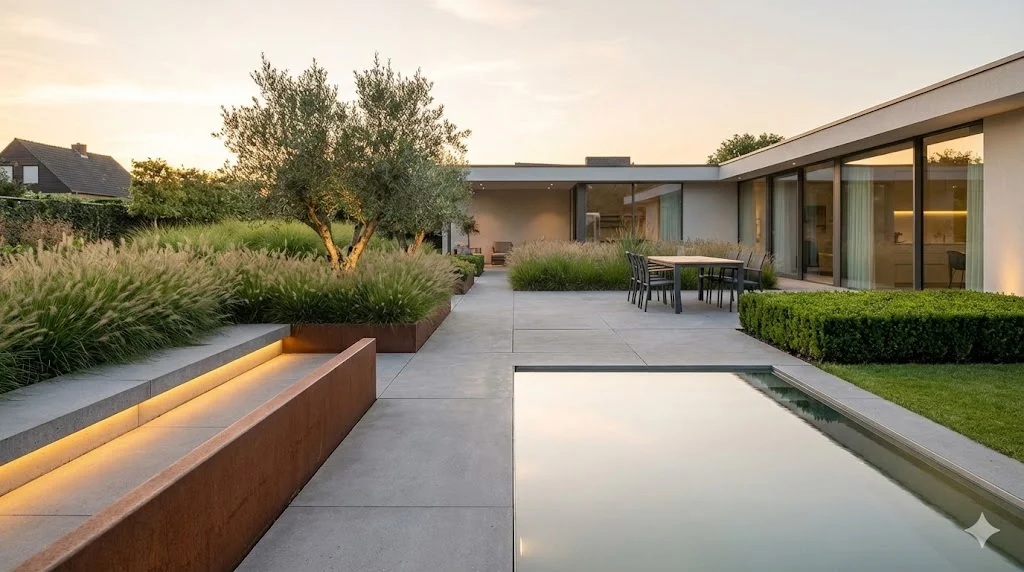
Garden Design Styles: The Complete Guide
Explore every major garden design style from cottage to Japanese, modern to Mediterranean. Find the perfect style for your space, climate, and taste.
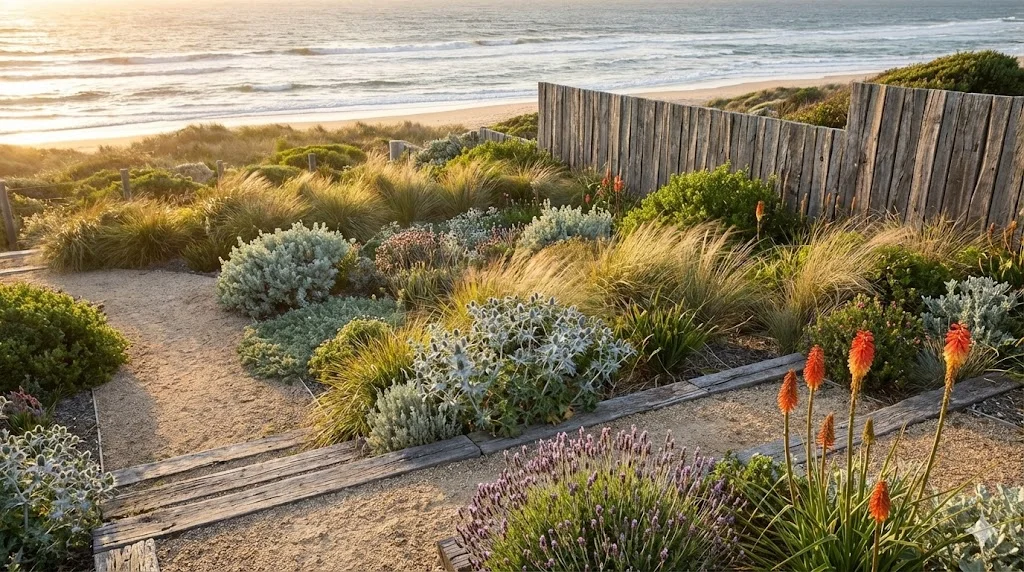
Coastal Garden Design: Salt-Tolerant Beauty
Design a beautiful coastal garden that thrives in salt spray, wind, and sandy soil. Discover the best seaside garden plants and design techniques for exposed sites.
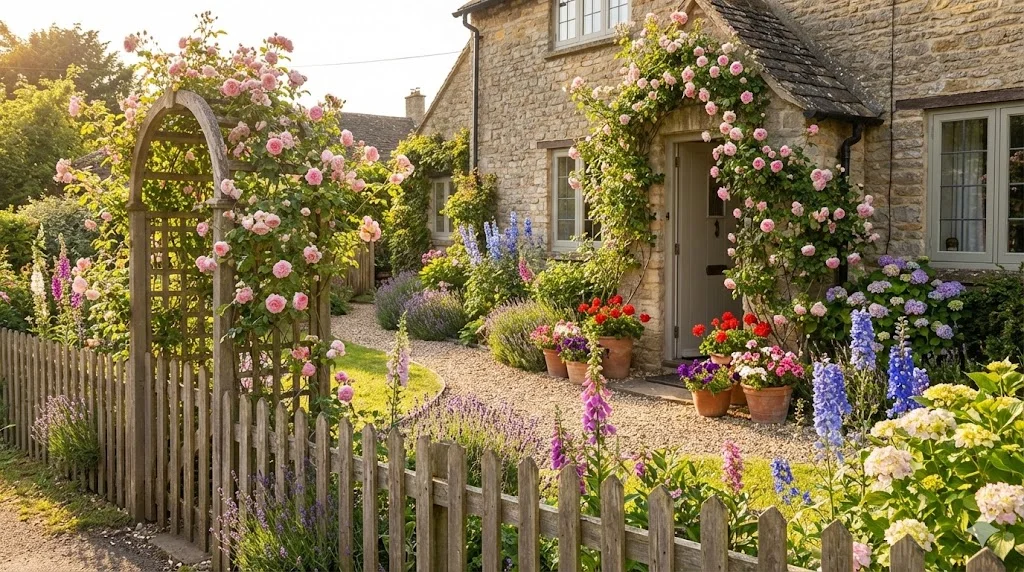
Cottage-Style Front Garden: Welcoming and Colorful
Transform your front garden into a welcoming cottage paradise with climbing roses, flower-lined paths, and seasonal color. Design tips for maximum curb appeal.